Layered Hairstyles remain one of the most effective ways to transform hair without completely changing its length. Instead of relying on a dramatic chop or an extreme color change, strategically placed layers can create movement, reduce heaviness, frame the face, and make the entire hairstyle appear more polished. The right layering technique can also give fine hair the illusion of extra volume while helping thick hair feel lighter and easier to style.
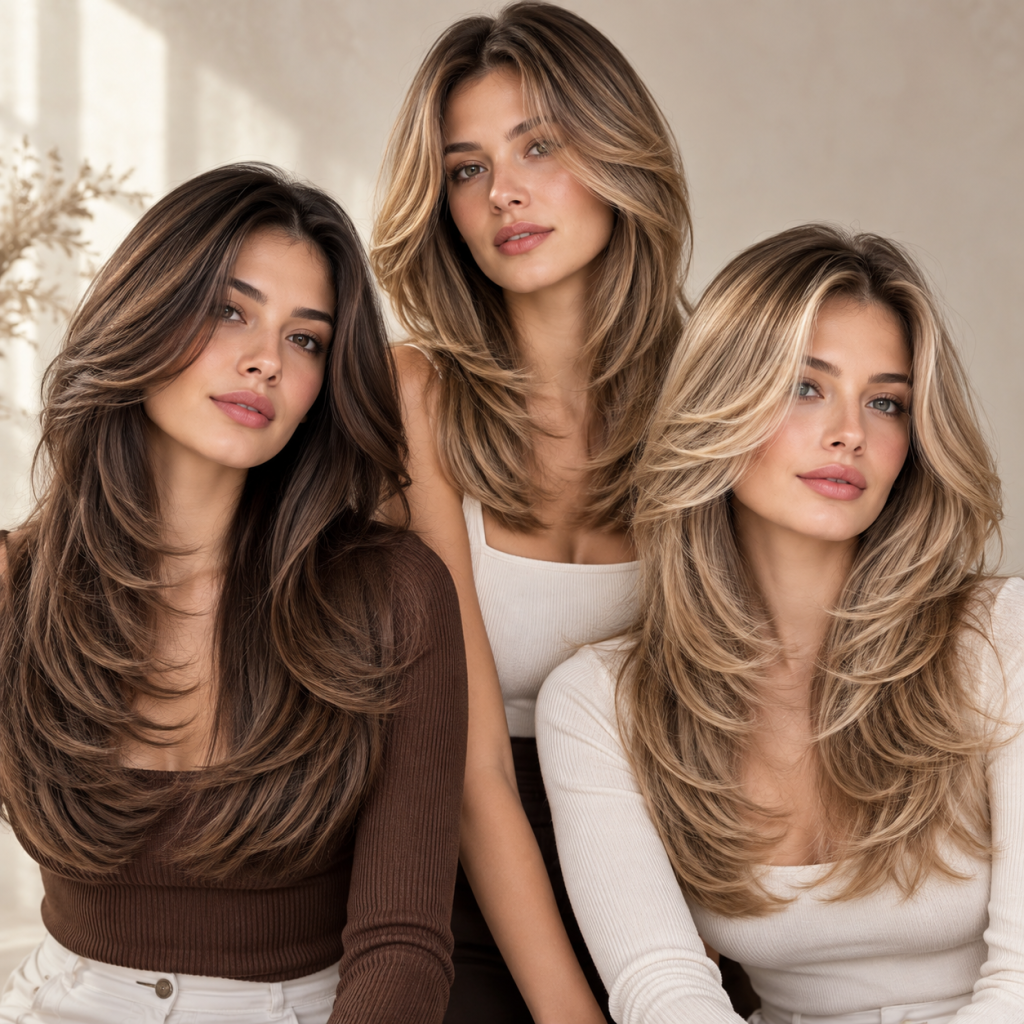
What makes layered hair especially appealing is its flexibility. Layers can be subtle enough to almost disappear into long hair or dramatic enough to completely reshape a haircut. They work with straight, wavy, curly, short, medium, and long hair, making them one of the most adaptable choices for anyone looking for a noticeable but wearable update.
The most modern layered looks are not simply about cutting random shorter sections throughout the hair. ✨ They are carefully designed around texture, density, face shape, and natural movement. Some concentrate the layers around the front for a soft framing effect, while others use long cascading sections to create flow through the entire hairstyle.
Among the many possibilities, three approaches stand out for their versatility, visual impact, and ability to make hair look beautifully styled even when the overall finish remains relaxed.
✨ Why Layered Hairstyles Continue to Look So Modern
Layered haircuts have evolved considerably. Older versions sometimes relied on obvious steps between different lengths, creating a very separated appearance. Modern layering is usually softer and more blended. The goal is often to make the hair move naturally rather than make every individual layer immediately visible.
This softer approach makes Layered Hairstyles particularly attractive for people who want a haircut that can transition easily between casual and polished styling. A layered cut can look relaxed with air-dried texture one day and sophisticated with a smooth blowout the next.
Layers can also change how the eye perceives the shape of the hair. Long hair cut at one uniform length may look heavy toward the bottom, especially if the hair is dense. Adding strategically placed layers redistributes some of that visual weight.
For finer hair, the approach is different. Too many layers can remove precious density, so the strongest styles usually keep the perimeter relatively full while introducing controlled movement through selected areas.
This is why choosing a layered hairstyle should be less about following one universal haircut and more about selecting the type of layering that complements the existing hair.
🌿 Movement Without Losing Length
One of the biggest reasons people choose layers is the desire for noticeable change without sacrificing significant length. Long layers can reshape hair while leaving the overall silhouette long and luxurious.
The shortest pieces may begin around the chin, collarbone, or upper chest, while the longest sections remain close to the original length. This creates movement without making the haircut suddenly feel short.
When the hair moves, the different lengths separate slightly, creating dimension. This effect is especially beautiful in photographs because light can catch individual sections instead of reflecting from one flat surface.
💇 More Shape Around the Face
Layers placed near the face can create a completely different impression from layers concentrated through the back. Face-framing pieces guide attention toward the cheekbones, jawline, lips, or eyes depending on where they begin.
Longer front pieces often create a softer effect, while shorter face-framing sections can feel more noticeable and fashion-forward.
The result does not have to resemble traditional bangs. Many modern layered cuts use front pieces that are long enough to tuck behind the ears or blend naturally into the rest of the haircut.
✨ Easier Everyday Styling
A well-designed layered haircut often requires less effort to look intentional. Because the haircut already contains shape, even simple styling methods can produce movement.
A quick round-brush blowout can reveal the layers dramatically, while loose waves can make them look romantic and dimensional. Air-dried hair may also benefit because different lengths encourage natural bends and separation.
The key is making the layers compatible with the natural behavior of the hair rather than creating a haircut that only works after complicated styling.
Quick Comparison of the Top 3 Layered Hairstyles
| Layered Hairstyle | Best For | Main Effect | Styling Level | Overall Look |
|---|---|---|---|---|
| Long Cascading Layers | Medium to long hair | Movement and flowing volume | Easy to moderate | Luxurious and soft |
| Face Framing Layers | Most hair lengths | Highlights facial features | Easy | Fresh and flattering |
| Butterfly Inspired Layers | Medium to long hair | Dramatic volume and bounce | Moderate | Glamorous and dimensional |
Each option creates a different kind of transformation. Long cascading layers focus on fluid movement throughout the entire hairstyle. Face-framing layers provide a more targeted update around the front. Butterfly-inspired layering produces the most dramatic volume and visible separation.
Choosing between them depends on how noticeable the change should be and how much daily styling feels realistic.
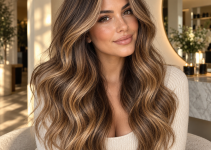
🥇 Top 1 Long Cascading Layered Hairstyles for Soft Expensive Looking Movement
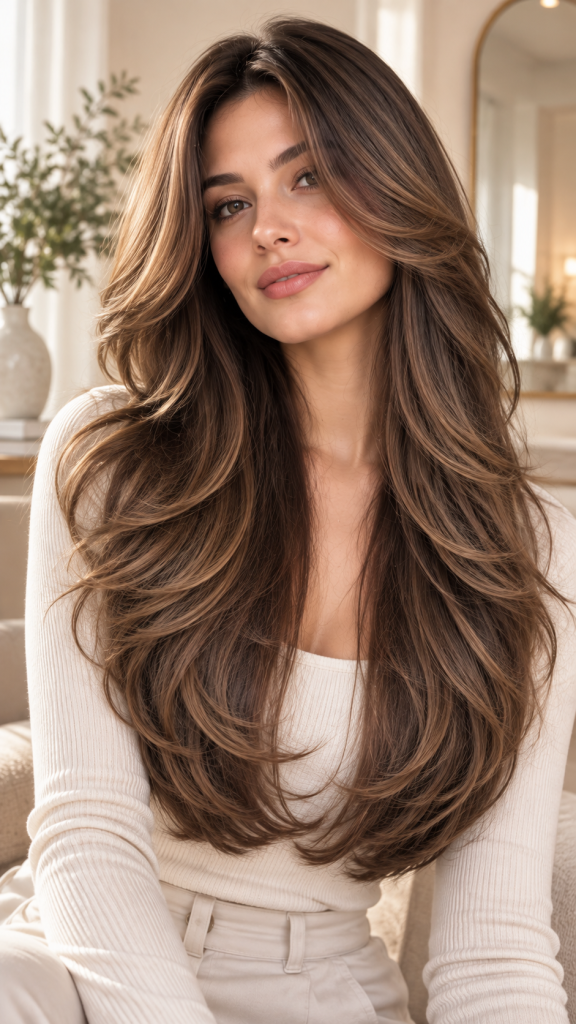
Long cascading layers are one of the most timeless interpretations of Layered Hairstyles because they create noticeable movement while preserving the luxurious appearance of longer hair.
Instead of creating short layers throughout the entire head, this technique usually relies on gradually changing lengths that flow into one another. The layers appear almost like soft ribbons running through the haircut.
The effect can be subtle when the hair is straight and more obvious when waves or bends are added. This versatility makes cascading layers suitable for people who enjoy changing their styling routine.
One day the hair can appear sleek and minimal. On another, a voluminous blowout can make every layer visible.
🌊 Why Cascading Layers Work So Well on Long Hair
Very long hair can sometimes appear visually heavy because all of the strands terminate around the same area. When the shape is completely uniform, the hair may hang downward rather than move outward.
Cascading layers interrupt that heaviness.
Some sections finish higher than others, allowing the hair to move more freely. The longest length remains, but the interior gains structure.
This can make long hair look more deliberate rather than simply grown out.
The technique is especially beautiful on naturally wavy hair because the layers encourage different sections to bend independently. Instead of one large wave pattern, the hairstyle develops multiple levels of movement.
✨ The Most Flattering Layer Placement
For a soft, luxurious effect, the shortest major layers often begin somewhere between the jaw and collarbone.
Starting too high can create a much more dramatic layered appearance. Starting lower keeps the overall silhouette calm and elegant.
The exact placement should depend on hair density.
Thick hair may benefit from more internal layering because removing strategic weight can prevent the ends from appearing triangular or bulky.
Fine hair usually needs a more conservative approach. Keeping a strong baseline at the bottom helps preserve the illusion of thickness while longer layers create movement above it.
💨 How to Style Long Cascading Layers
A round-brush blowout is one of the easiest ways to reveal the structure of long layers. Directing the hair away from the face helps separate the sections and create flowing movement.
Large rollers can also produce a glamorous finish without creating tight curls.
For a more casual look, loose waves are ideal. The waves should not all begin at exactly the same height. Slight variation makes the hairstyle appear more natural and helps emphasize the layered structure.
A lightweight finishing product can add shine while preserving movement. Heavy creams or excessive oils may cause the layers to collapse together, particularly on fine hair.
🤎 Who Should Consider This Layered Hairstyle
Long cascading layers are particularly appealing for someone who loves long hair but feels that the existing haircut looks heavy or shapeless.
They are also a strong choice for people who want a haircut that can grow out gracefully.
Because the differences between lengths are gradual, the hairstyle usually remains wearable even as the hair becomes longer.
This style works beautifully with straight, softly wavy, and moderately curly textures. Very curly hair can also benefit from cascading layers, although the placement needs to consider curl shrinkage carefully.
The strongest result should look fluid rather than obviously chopped into separate levels.
🥈 Top 2 Face Framing Layered Hairstyles That Instantly Refresh the Hair
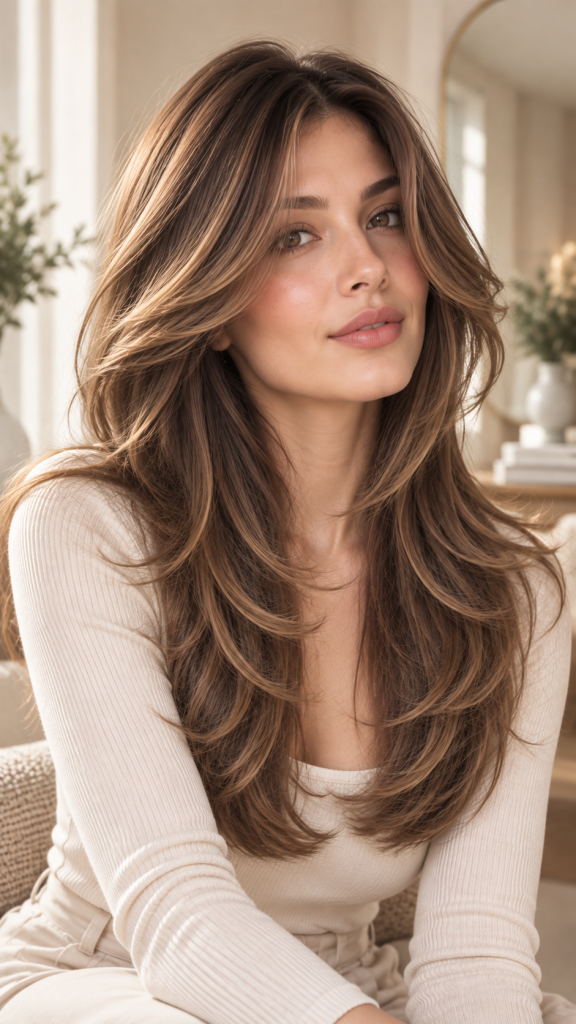
Face-framing layers are perfect for anyone who wants a visible update without dramatically changing the back or overall length of the hair.
These layers concentrate around the front sections, creating shorter pieces that gradually blend into the rest of the hairstyle.
Although the concept sounds simple, the placement can completely alter the visual proportions of a haircut. A few carefully positioned pieces can make long hair feel lighter, create softness around the jawline, and give an otherwise simple haircut a more current appearance.
Face-framing layers also offer tremendous flexibility because they can begin at different heights.
💫 Choosing Where the Face Framing Should Begin
The starting point determines the overall effect.
Layers beginning around the cheekbones can emphasize the middle of the face and create a noticeable framing effect.
Layers starting around the jawline feel softer and often blend more easily into long hair.
Collarbone-length face framing is the most subtle option. It provides movement without creating a dramatic difference between the front and back.
There is no universally perfect position. The best placement depends on facial proportions, hair texture, and personal styling preferences.
Someone who frequently wears hair pulled back may enjoy shorter pieces that remain around the face. Someone who prefers the option to tuck everything behind the ears may want slightly longer framing sections.
🌸 Face Framing Layers With a Center Part
A center part creates beautiful symmetry when paired with face-framing layers.
The shortest pieces fall on both sides of the face, creating a curtain-like effect. When styled away from the face, they can visually open the features and create a polished finish.
This combination looks particularly effective with medium and long hair because there is enough length for the shorter front sections to gradually transition into the rest of the haircut.
A soft bend through the front pieces is often enough to make the entire hairstyle look styled.
🌿 Face Framing Layers With a Side Part
A side part gives the same haircut a different personality.
Because more hair falls toward one side, the layers can create extra volume around the crown and front section.
The result may feel softer and slightly more romantic than a sharply defined center part.
Side-parted face framing also works well for people who naturally have more volume or movement on one side of their hair.
Rather than fighting the natural direction, the haircut can use that movement intentionally.
Important Note: The most flattering layers should work with natural hair density and texture rather than simply copying a photograph. Removing too much weight from fine hair or cutting curly layers without considering shrinkage can significantly change the final shape.
✨ Why Face Framing Layers Are Such a Low Commitment Update
One of the biggest advantages of face-framing layers is that the overall length can remain almost untouched.
This makes them ideal for someone who wants change but is nervous about committing to a dramatically different haircut.
They can also be adjusted gradually.
A first appointment might introduce long jaw-length framing. A later haircut can move the shortest section higher if a stronger effect is desired.
Because the transformation happens mainly around the face, even a small change can feel surprisingly significant.
The hairstyle may suddenly look more intentional when worn down, in a ponytail, or in a loose bun because a few soft pieces remain visible around the front.
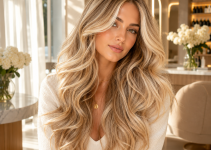
🥉 Top 3 Butterfly Inspired Layered Hairstyles for Maximum Volume
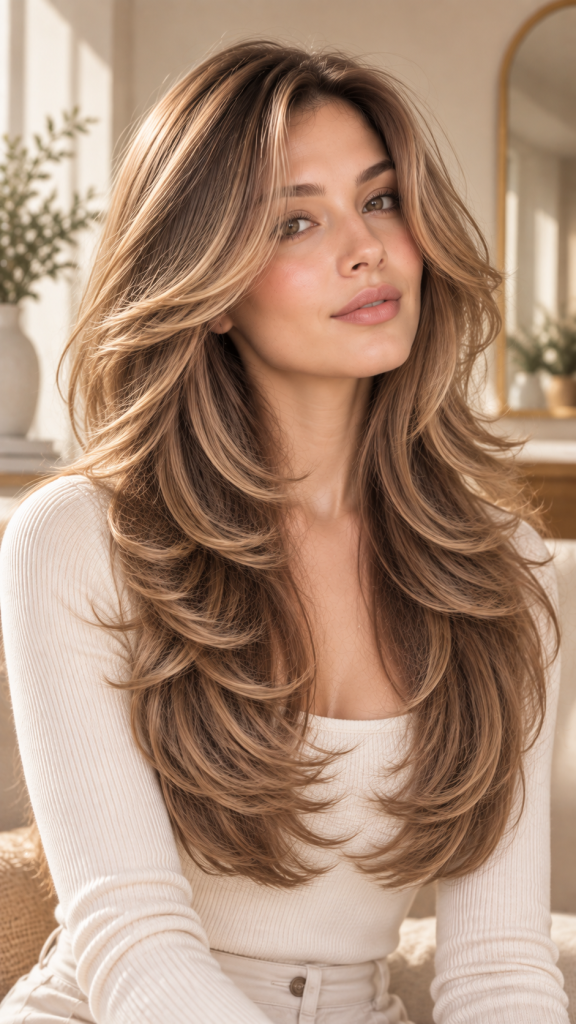
Butterfly-inspired layering is the most dramatic of the three options.
This style combines shorter, voluminous layers around the upper portion of the haircut with longer lengths underneath. The contrast creates the illusion of two connected shapes within one hairstyle.
The shorter sections provide bounce and movement around the face and shoulders, while the longer pieces preserve length.
When styled with a large blowout, the layers can appear almost wing-like as they sweep outward, which explains why the butterfly name has become associated with this type of haircut.
🦋 What Makes Butterfly Layers Different
Butterfly layers are usually more visible than traditional long layers.
Instead of hiding the layering within the overall shape, this technique celebrates separation and movement.
The upper layers may begin around the cheekbones, jawline, or shoulders, then transition gradually into longer sections.
This creates substantial volume around the upper and middle parts of the hairstyle.
The look can be especially striking on medium-thick or thick hair because there is enough density to support multiple visible layers without making the ends appear sparse.
Fine hair can still wear a butterfly-inspired shape, but the number and depth of layers should usually be reduced.
💨 Volume Around the Crown and Shoulders
One of the strongest features of butterfly layers is the way they create volume higher in the hairstyle.
Long one-length hair often concentrates visual weight at the bottom. Butterfly layering brings attention upward.
When the shorter sections are styled outward, they create width around the face and shoulders.
This can make the hairstyle look fuller and more glamorous.
Root lift enhances the effect even further. A round brush or large roller placed near the crown can create height without requiring tight curls.
✨ Keeping the Long Length Visible
Despite the amount of movement in the upper sections, butterfly layering should still preserve a clearly visible long baseline.
That contrast is essential.
If too much length is removed, the style may begin to resemble a heavily layered medium haircut rather than the flowing butterfly silhouette.
The longest sections create the elegant foundation, while the shorter layers provide drama.
This balance allows someone to enjoy a major visual transformation without giving up the appearance of long hair.
🌟 Best Styling Methods for Butterfly Layers
A voluminous blowout naturally suits this haircut.
The shorter layers can be directed outward while the longer sections remain smooth and flowing.
Large velcro rollers are another popular option because they encourage volume without creating overly defined curls.
For a more relaxed finish, soft waves can work beautifully. However, using the same curl direction throughout the entire hairstyle may cause the sections to merge.
Alternating the direction slightly or brushing the waves afterward creates softer separation.
The final result should feel airy rather than stiff.
A flexible-hold spray is usually more suitable than a heavy product because the beauty of butterfly layering comes from movement.
✂️ How to Choose the Best Layered Hairstyles for Your Hair Type
The most successful layered haircut is not determined solely by trends. Hair density, strand thickness, texture, length, and daily styling habits all influence how the finished haircut behaves.
Two people can request the same reference image and receive very different results because their hair responds differently.
Understanding these differences helps make the final style more predictable.
Fine Hair
Fine hair benefits from strategic rather than excessive layering.
Too many short sections can make the lower portion of the hairstyle look thin.
A strong perimeter is therefore important.
Long layers combined with subtle face framing are often safer than heavily separated layers.
The goal is to create movement while preserving as much visible density as possible.
Lightweight styling products also help because heavy creams can quickly reduce volume.
Thick Hair
Thick hair usually offers more flexibility because there is enough density to support multiple layers.
Layering can remove unnecessary bulk and create a softer silhouette.
Long cascading layers work particularly well because they distribute weight through different lengths.
Butterfly layers can also look dramatic on thick hair because the shorter sections have enough density to remain full.
However, removing weight should still be controlled. Excessive thinning can produce uneven growth and unwanted frizz.
Straight Hair
Straight hair displays the precision of a haircut clearly.
For this reason, blending is particularly important.
Smooth cascading layers can create elegant movement, while face-framing sections prevent straight hair from appearing too flat around the front.
A polished blowout can enhance the layering, but straight layered hair can also look beautiful with minimal styling if the haircut has a strong shape.
Wavy Hair
Wavy hair and layers are naturally compatible.
Different lengths encourage the wave pattern to form at multiple levels, creating dimension.
Long cascading layers are especially effective because they allow the natural pattern to remain visible without creating excessive bulk.
Face-framing pieces can also emphasize the relaxed texture around the front.
The haircut should account for how much the hair contracts when dry.
Curly Hair
Curly hair requires particularly thoughtful layering because curls do not fall at their full stretched length.
A section that looks long when wet may sit significantly higher when dry.
When layers are placed correctly, they can prevent curly hair from becoming overly triangular and help distribute volume throughout the silhouette.
The goal is often to create balance rather than simply remove weight.
Curly layered hair can look incredibly dimensional because each curl occupies slightly different space within the overall shape.
💎 How to Make Layered Hair Look More Expensive
The phrase expensive-looking hair usually describes a finish that appears healthy, dimensional, intentional, and polished rather than necessarily complicated.
Healthy-looking ends are essential.
Layers expose more individual sections of the hair, which means dry or damaged ends may become more visible.
Regular maintenance can therefore make a significant difference.
Shine is another important factor. Light reflecting across smooth sections emphasizes movement and dimension.
However, the goal is not an excessively oily finish.
A small amount of lightweight serum through the ends can create refinement while keeping the roots airy.
Keep the Ends Soft and Fresh
Because layered hairstyles contain multiple lengths, damaged ends may appear throughout the haircut rather than only at the bottom.
Maintaining them helps preserve the clean shape.
Small regular trims can often be more effective than waiting for the hair to become noticeably damaged.
The layers should remain soft and connected.
Use Movement Instead of Excessive Curl
Layers do not always need tight curls.
In many cases, broad bends create a more modern result.
Large sections styled with a round brush or wide curling tool allow the different lengths to become visible without making the hair appear overly styled.
Brushing through the finished shape can soften everything further.
Focus on Natural Looking Volume
Volume is most flattering when it appears distributed through the hairstyle rather than concentrated only at the roots.
Layering already creates dimension, so styling can simply support the haircut.
Lift at the crown combined with movement around the face often produces a sophisticated finish.
🌿 How Often Should Layered Hairstyles Be Trimmed
The ideal maintenance schedule depends on how structured the haircut is.
Long cascading layers are relatively forgiving because they grow out gradually. The difference between the layers becomes less pronounced over time, but the haircut can still remain attractive.
Face-framing sections may require slightly more attention because the positioning around the face is important.
As they grow, cheekbone-length pieces can become jaw-length, then gradually merge with the rest of the haircut.
Butterfly layers often benefit from more regular reshaping because the dramatic contrast between shorter and longer sections is part of the style.
Once that difference becomes too subtle, some of the signature volume may disappear.
Maintenance does not necessarily mean recreating the entire haircut every few weeks. Often, refreshing selected areas is enough to preserve the intended shape.
✨ Easy Everyday Styling Ideas for Layered Hair
Layered hair can look polished in many different styles beyond a traditional blowout.
A loose ponytail becomes more interesting because shorter front pieces can remain around the face.
A low bun can look softer when a few layers naturally escape around the sides.
Half-up hairstyles are particularly flattering because the upper layers provide volume while the longer sections remain visible underneath.
Even simple straight styling can showcase layers when the ends are slightly curved.
The haircut itself provides much of the visual interest.
Soft Blowout
Use a round brush to direct the front layers away from the face.
Keep the bends large and smooth.
The goal is movement rather than tight curls.
Loose Waves
Create broad waves through the mid-lengths and ends.
After cooling, gently separate them so the layers become visible.
This approach is ideal for cascading layers.
Sleek and Straight
Layers can also look beautiful when straight.
A slight curve through the ends prevents the hairstyle from appearing flat.
Face-framing pieces can be directed inward or outward depending on the preferred finish.
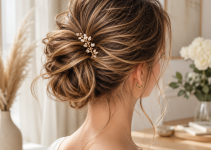
Relaxed Updo
Pull the hair into a loose bun or low twist while allowing selected front pieces to fall naturally.
This highlights the layered structure even when most of the hair is secured.
🌸 Final Thoughts on the Best Layered Hairstyles
The best Layered Hairstyles are not simply about adding as many layers as possible. The most flattering results use carefully positioned lengths to enhance movement, preserve density, and create a shape that works naturally with the hair.
🥇 Long cascading layers are the strongest choice for anyone who wants subtle luxury, flowing movement, and a hairstyle that keeps most of its length. They are elegant, versatile, and particularly beautiful when styled with soft waves or a polished blowout.
🥈 Face-framing layers offer the easiest way to refresh a haircut without making a major commitment. Strategic shorter pieces around the front can transform the appearance of long or medium hair while leaving the overall length almost unchanged.
🥉 Butterfly-inspired layers deliver the most dramatic transformation. Their combination of shorter voluminous sections and long flowing lengths creates bounce, dimension, and a glamorous silhouette.
Ultimately, layered hair works best when the haircut feels connected to the natural texture rather than imposed on it. Fine hair may need restrained layering to preserve fullness, while thicker hair can often support stronger separation. Wavy and curly textures may benefit from layers that release movement, while straight hair can use them to introduce shape and dimension.
A beautifully layered haircut should still look appealing when styling is minimal. That is one of the clearest signs that the structure is working.
Whether the goal is softer movement, more visible volume, a fresher frame around the face, or a complete transformation without sacrificing long hair, these three approaches offer distinct ways to make layered hair feel current, flattering, and effortlessly polished. ✨