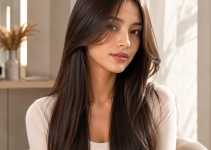
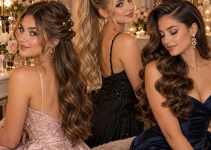
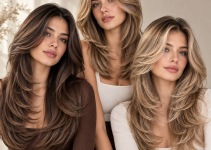
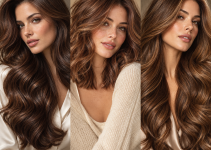
Balayage Hair Warm is one of the most beautiful ways to give hair dimension, softness, and an expensive-looking glow without relying on harsh stripes or an obvious root-to-tip color change. Instead of pushing the hair toward icy blonde or cool ash tones, warm balayage works with shades such as caramel, honey, golden brown, cinnamon, copper, amber, toffee, and warm bronde. The result can feel naturally sunlit rather than dramatically colored.
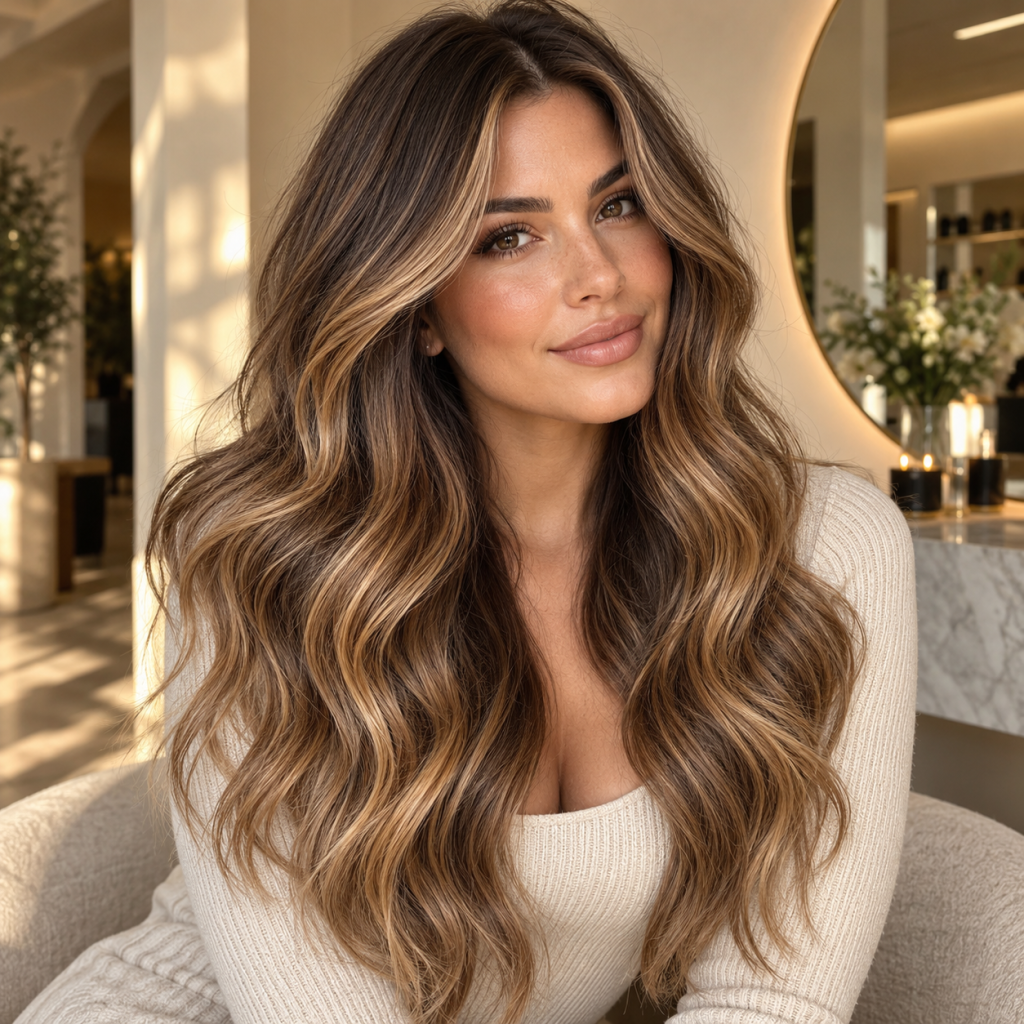
The real appeal is the movement. When carefully placed lighter pieces sit against a deeper natural base, every wave, layer, and bend catches light differently. ✨ Hair can appear fuller, shinier, and more dimensional even when the haircut itself remains unchanged.
Warm balayage is also extremely flexible. Brunettes can introduce delicate honey ribbons without becoming blonde, while blondes can deepen their color with caramel and golden lowlights. Dark hair can be softened through subtle amber illumination, and naturally warm hair can be enhanced with copper or cinnamon accents. The key is not simply choosing a warm shade but creating a balanced combination of depth, brightness, and placement.
Why Balayage Hair Warm Can Look So Luxurious
The difference between beautiful balayage and ordinary highlights is often found in the transition between colors. Traditional highlights can create clearly identifiable lighter sections from close to the roots through the ends. Balayage is usually designed to feel softer, with brightness appearing gradually and strategically throughout the hair.
With Balayage Hair Warm, that softness becomes particularly flattering because caramel, honey, amber, and golden shades naturally blend into many brunette and dark-blonde bases. Rather than producing a sharp line between dark and light hair, the tones appear melted together. ☀️ This creates the impression that the hair has developed its brightness naturally through sunlight.
Warm colors also reflect light differently from very muted or extremely cool tones. Gold, caramel, copper, and honey create visible contrast while maintaining richness. When combined with healthy shine, the effect can make even a relatively simple hairstyle look polished and sophisticated.
The most successful warm balayage does not need every section of hair to be light. In fact, maintaining enough darkness is one of the secrets behind a dimensional result. Darker areas create the shadows that allow the lighter pieces to stand out. Without depth, the hair can become one uniform color and lose the movement that makes balayage so attractive.
The Top 3 Balayage Hair Warm Ideas Worth Trying
The best warm balayage is not necessarily the brightest one. Choosing the right combination depends on the natural base color, desired contrast, haircut, maintenance expectations, and how subtle or noticeable the transformation should feel.
Three approaches stand out because they cover very different moods. Honey caramel offers luminous softness, cinnamon copper creates richer statement warmth, and mocha toffee bronde delivers understated sophistication. Each can be customized from subtle to dramatic without abandoning the natural blended character that defines balayage.
🥇 Top 1 Honey Caramel Balayage Hair Warm
Honey caramel balayage is the ultimate choice for anyone who wants hair that seems permanently illuminated by golden-hour sunlight. The combination normally starts with a brunette or dark-blonde foundation and introduces carefully painted ribbons of caramel, honey, warm beige, and soft gold.
The shades should not appear as separate blocks. Instead, caramel can act as the bridge between the natural base and brighter honey pieces. This gradual transition is what gives the color an effortless finish. When the hair moves, the lighter strands emerge between darker sections rather than sitting obviously on top of them.
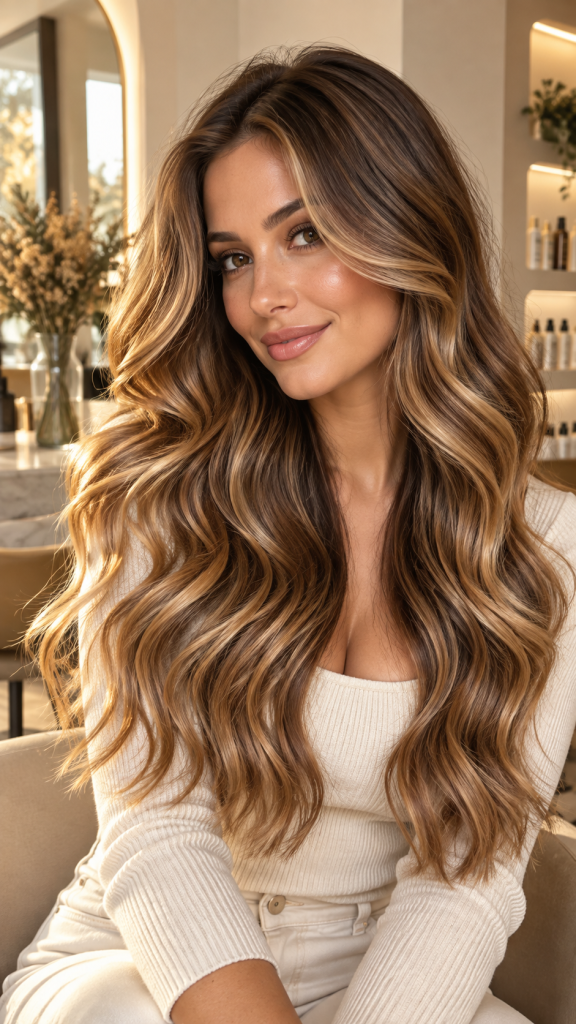
Why Honey Caramel Balayage Looks So Beautiful
Honey caramel balayage provides brightness without requiring an ultra-light blonde result. 🍯 This is especially useful for brunettes who want noticeable change while keeping their overall identity as a brunette.
A deep brown base might be paired with medium caramel through the mid-lengths, followed by honey-gold accents near the face and toward selected ends. On a lighter brown base, the same concept can be softened with golden beige and creamy honey. The exact shades can change while the overall warm, sun-kissed feeling remains.
Another advantage is visual softness. Very pale highlights against dark hair create stronger contrast, whereas caramel creates a gentler bridge. The eye moves smoothly from the darkest sections to the brightest sections, making the finished color look intentionally blended.
This makes honey caramel an especially appealing option for long layers, butterfly cuts, curtain bangs, medium-length waves, and textured lobs. Each bend in the haircut reveals another shade, allowing the dimensional placement to become part of the hairstyle.
Where the Brightest Honey Pieces Should Go
Face-framing placement can completely change the final impression. A few brighter honey pieces positioned around the front can illuminate the complexion while leaving the majority of the hair deeper and richer.
The brightest area does not necessarily need to begin directly at the root. A softly diffused transition around the front can create a more lived-in appearance. The stylist can then gradually increase brightness through the mid-lengths and ends.
Around the back of the head, more negative space can be preserved. This prevents the color from becoming uniformly blonde and makes the front-facing brightness look even more dramatic. The natural or deeper base becomes part of the design rather than something that must be completely covered.
For an understated result, the honey sections can remain fine and scattered. For a more noticeable transformation, wider ribbons can be concentrated around the face and ends while maintaining enough dark sections between them.
Who Should Consider Honey Caramel Balayage
Honey caramel is particularly appealing for medium brunette, chocolate brown, chestnut, warm dark blonde, and naturally golden hair. However, the formula can be adjusted considerably, so it is better to think about the desired overall effect than to treat the shade as suitable for only one specific coloring.
Someone who loves warm gold jewelry, camel coats, cream knitwear, chocolate brown, terracotta, and other rich neutrals may find the same warm palette aesthetically appealing in hair. The finished color has a soft, polished quality that works equally well with casual waves and sleek styling.
It is also an excellent direction for anyone hesitant about a dramatic blonde transformation. Instead of lightening most of the hair, selected areas can be brightened while the deeper base remains dominant.
The final result can therefore range from brunette with barely visible golden dimension to a luminous caramel bronde with significant honey brightness.
🥈 Top 2 Cinnamon Copper Balayage Hair Warm
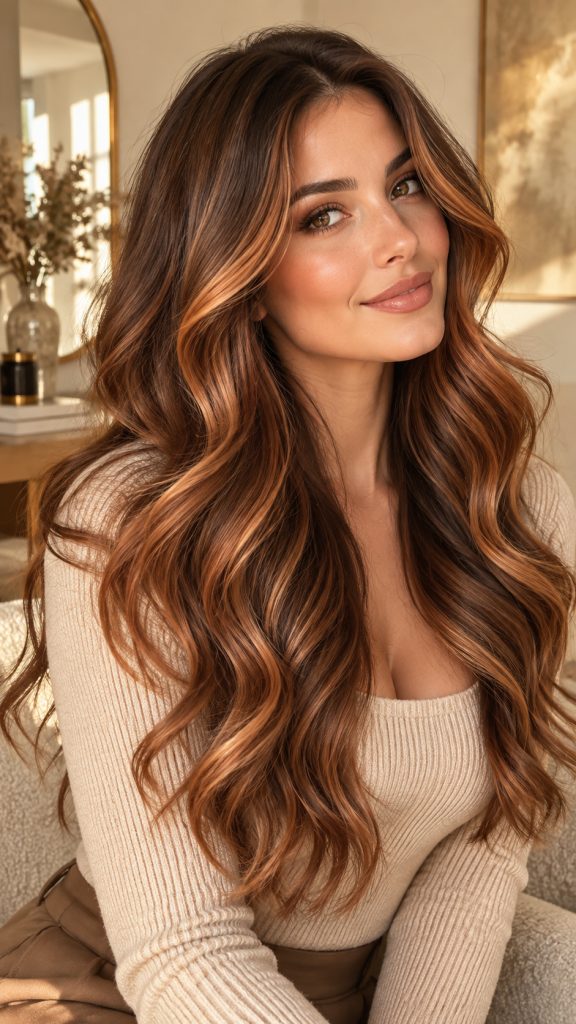
Cinnamon copper balayage brings a more expressive personality to warm hair. Rather than relying primarily on yellow-gold warmth, this palette introduces reddish brown, amber, cinnamon, auburn, and softly metallic copper tones.
The effect can be dramatic, but it does not need to become bright orange or vivid red. A sophisticated cinnamon balayage often keeps the natural brunette foundation clearly visible while warming selected sections just enough to create a glowing auburn effect.
Why Cinnamon Copper Creates Exceptional Dimension
Copper has the ability to look different depending on lighting. 🔥 Under soft indoor light, the hair can appear like deep chestnut or warm chocolate. In sunlight, amber and copper reflections become much more noticeable.
That changing appearance gives cinnamon balayage exceptional visual depth. It is particularly effective on waves because different sections repeatedly catch and release the warm reflection.
The color can also incorporate several related shades. Deep cinnamon near the base can transition into amber brown before lighter copper pieces appear toward the ends. This multidimensional approach feels more sophisticated than applying a single copper tone across the entire head.
Keeping brunette lowlights throughout the hair is equally important. Those darker sections prevent the copper from appearing flat and give the brighter pieces a glowing effect.
How to Keep Copper Balayage Elegant
The most refined copper balayage usually avoids making every strand equally red. A brunette base combined with restrained amber and cinnamon can create warmth without transforming the entire look into conventional red hair.
Placement matters as much as the formula. Copper around the face creates noticeable warmth, while cinnamon pieces hidden through the interior provide flashes of color when the hair moves. Deeper chocolate sections between them maintain richness.
Gloss is another essential part of the aesthetic. Copper and auburn shades are especially striking when the hair surface looks smooth and reflective. ✨ Healthy-looking shine makes the difference between a luxurious dimensional finish and color that appears dry or overly processed.
Haircuts with layers work beautifully because the warm tones can be positioned along the movement of the cut. Long cascading layers, soft shag-inspired cuts, curtain bangs, and shoulder-length waves can all display the tonal variation clearly.
Who Should Consider Cinnamon Copper Balayage
Cinnamon copper balayage is ideal for someone who wants a warmer and more noticeable change than traditional caramel but does not necessarily want to commit to full red hair.
Naturally dark brown and medium brown bases can create especially dramatic depth because the copper sections appear illuminated against the darker foundation. Lighter brown hair can achieve a softer strawberry-cinnamon interpretation with less contrast.
The shade is also versatile enough to be customized. Some people may prefer brown-dominant cinnamon with only subtle copper reflection. Others may want vibrant amber ribbons and stronger face-framing brightness.
The goal should be harmony rather than following one exact formula. A professional colorist can adjust the ratio of brown, red, orange, and gold so the finished result feels intentional rather than overwhelmingly warm.
🥉 Top 3 Mocha Toffee Bronde Balayage Hair Warm
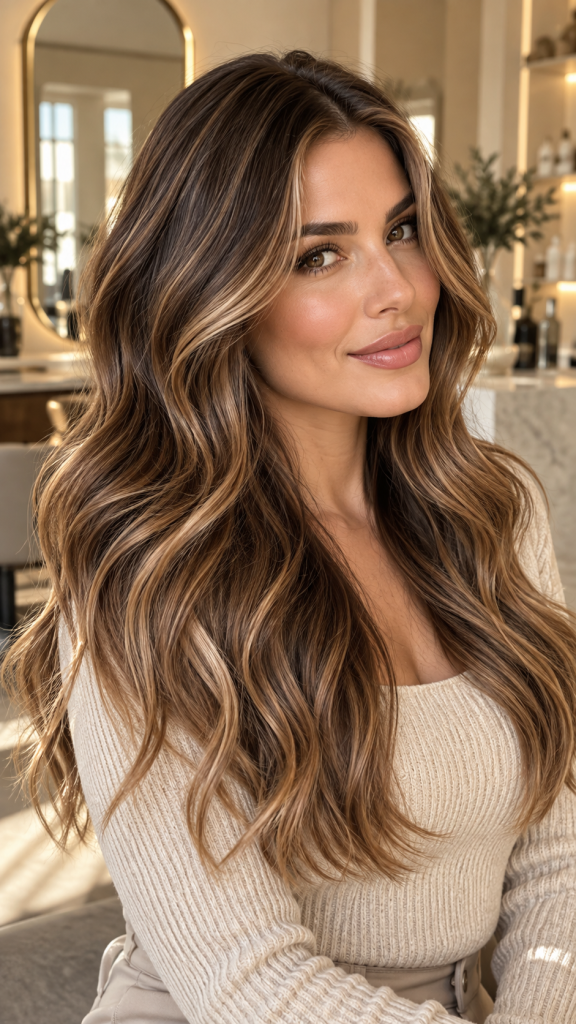
Mocha toffee bronde is the quietest of the three ideas, but it may be the most sophisticated. Instead of creating obviously golden or copper hair, this style combines chocolate and mocha depth with restrained toffee, warm beige, caramel, and muted golden highlights.
Think of it as the meeting point between brunette and blonde. The result remains grounded in brown, but enough strategically placed brightness is added to create movement and softness.
Why Mocha Toffee Balayage Looks Expensive
A luxurious hair color does not always need dramatic contrast. 🤎 Mocha toffee balayage works because the tones stay relatively close together while still producing visible dimension.
Deep mocha at the roots can gradually transition into milk-chocolate brown before toffee and warm-beige accents emerge through the mid-lengths. A few brighter pieces around the face may provide extra illumination, while most of the hair remains deeper.
This creates what could be described as understated richness. From a distance, the hair may simply appear like an exceptionally glossy brunette. Closer inspection reveals multiple subtle shades woven throughout the style.
That quality makes mocha toffee particularly attractive for professional, minimalist, elegant, and quiet-luxury aesthetics. It feels polished without appearing overly styled.
The Secret Is Keeping Enough Brunette Depth
One of the easiest ways to lose the mocha-toffee effect is to add too many blonde pieces. The brunette foundation must remain visible for the lighter tones to create contrast.
Negative space between balayage ribbons is therefore essential. Rather than painting every available section, selected areas are left deeper. Those dark sections provide visual separation and prevent the highlights from blending into one flat medium-brown shade.
Face-framing brightness can still be used, but it does not need to become pale blonde. Warm beige, soft caramel, or light toffee may provide enough contrast to brighten the front.
The ends can also remain dimensional rather than uniformly light. Alternating mocha, caramel, and toffee sections creates a much richer finish when the hair is curled or worn in loose waves.
Who Should Consider Mocha Toffee Bronde
Mocha toffee is particularly suitable for someone who wants visible improvement rather than an obvious transformation. It is the type of color people may notice because the hair suddenly looks shinier, softer, and more dimensional without immediately identifying why.
It works beautifully with naturally medium to deep brunette hair because the original depth can become part of the finished design. Someone beginning with dark blonde can achieve a similar aesthetic by adding richer lowlights alongside carefully controlled warm brightness.
This direction can also work well when maintaining a polished appearance is important. Because the root area can remain close to the natural shade, regrowth often looks softer than it would with highly contrasting traditional highlights.
For a refined finish, pair the color with smooth blowouts, loose polished waves, long layers, a sleek lob, or softly curved ends. These shapes allow the subtle tonal changes to catch the light.
Balayage Hair Warm Comparison Guide
All three warm balayage ideas create dimension, but they communicate very different moods. Honey caramel is bright and sun-kissed, cinnamon copper feels richer and more expressive, while mocha toffee is subtle and sophisticated.
The right choice therefore depends less on which shade is universally “best” and more on the final visual effect. Someone seeking noticeable brightness may gravitate toward honey caramel, while someone wanting depth and understated elegance may prefer mocha toffee.
| Balayage Hair Warm Idea | Main Shades | Overall Effect | Best Starting Point | Visual Contrast | Maintenance Feel |
|---|---|---|---|---|---|
| 🥇 Honey Caramel | Honey gold caramel warm beige | Sun kissed luminous and soft | Brown dark blonde bronde | Medium | Moderate and forgiving |
| 🥈 Cinnamon Copper | Cinnamon amber auburn soft copper | Rich fiery dimensional | Medium to dark brunette | Medium to high | Requires tone refreshing |
| 🥉 Mocha Toffee Bronde | Mocha chocolate toffee warm beige | Polished subtle expensive | Medium to deep brunette | Low to medium | Generally soft grow out |
The table can serve as a starting point rather than a strict formula. Every balayage appointment can be customized by changing the amount of brightness, the width of the painted pieces, the distance from the root, and the balance between warm and neutral tones.
Even two people requesting “honey caramel balayage” may leave the salon with very different results. One could remain 80 percent brunette with minimal honey highlights, while another could become a luminous bronde with significantly lighter ends. The inspiration shade is only the beginning; placement determines the personality of the finished look.
How to Choose the Right Balayage Hair Warm Shade
Start by deciding whether the goal is subtle enhancement or visible transformation. This decision is often more useful than choosing a shade name immediately. Someone wanting only a touch of brightness may need thin caramel pieces, while someone looking for a major change might prefer wide honey ribbons and brighter ends.
The existing hair color also influences what can realistically be achieved. Very dark hair may require more lightening to reach bright honey than to create cinnamon brown or deep caramel. Previously colored hair can behave differently from untouched natural hair, so the color history matters.
Think About Warmth as a Spectrum
Warm hair is not one single color. Golden blonde, caramel brunette, cinnamon brown, auburn, copper, and toffee all belong to the warm family but produce very different visual effects.
Someone who dislikes obvious red may still love golden caramel. Someone who finds blonde too bright may prefer cinnamon brunette. Someone who wants maximum subtlety might choose mocha with muted toffee accents.
Warmth can also be balanced with neutral tones. A sophisticated balayage often contains warm highlights alongside more neutral brunette sections rather than making every strand intensely golden or orange.
This balance helps create a dimensional result that feels natural in several lighting conditions.
Decide How Bright the Face Frame Should Be
The front pieces have a disproportionate impact on how light the entire hairstyle appears. Two or three noticeably brighter ribbons near the face can make relatively dark hair look much more illuminated.
A subtle face frame creates softness. A brighter honey or caramel money piece makes the transformation more obvious. Neither approach is inherently better; they simply create different levels of contrast.
For a natural result, the face frame can remain only a few levels lighter than the base and blend gradually into the root. For a stronger Pinterest-inspired look, the front ribbons may become considerably brighter while the back remains dimensional.
The important element is continuity. The brighter front should still connect visually to lighter pieces elsewhere in the hair instead of appearing as two disconnected streaks.
Important Note: Balayage still involves chemical processing when natural pigment must be lifted. The healthiest and most predictable result depends on the current condition of the hair, previous color history, realistic lightening expectations, and professional assessment before significant bleaching.
How to Ask a Hairstylist for Warm Balayage
Reference photos are usually more useful than relying on shade names alone. “Caramel,” “honey,” and even “copper” can describe many different colors depending on the person using the term.
The most useful inspiration image should resemble the natural base color and ideally show a similar hair length and texture. A honey balayage photographed on naturally light brown hair may not translate identically to very dark brunette hair without additional lightening.
Explain how much darkness should remain. Saying that the goal is “mostly brunette with subtle caramel ribbons” communicates something different from asking for “a bright honey bronde with a natural root.”
Also discuss the face frame, end brightness, root transition, and desired contrast. These details often determine the final appearance more than the shade name itself.
How to Make Warm Balayage Look More Dimensional
Styling can dramatically affect the way balayage appears. Loose waves are popular for a reason: every curve exposes different sections of color, making the transitions between dark and light more visible.
Straight hair can showcase balayage beautifully too, especially when the placement is finely blended. On sleek hair, however, poorly blended lines may become easier to notice. A sophisticated application should therefore look intentional whether the hair is curled or straight.
Haircuts That Showcase Warm Balayage
Long layers are a natural partner for warm balayage because color can be positioned along the movement of each layer. Lighter pieces around the face can emphasize shorter sections, while deeper colors underneath create shadow.
Butterfly cuts also provide excellent opportunities for dimensional placement. The shorter front layers can carry brighter honey or caramel tones while the longer sections maintain brunette richness.
Medium-length lobs and shoulder-length cuts can create a stronger concentration of color through the ends. Because there is less length available for gradual transitions, strategic placement becomes especially important.
Even relatively blunt hair can wear balayage beautifully when the highlights are delicate enough to maintain a smooth visual transition.
Keeping Balayage Hair Warm Glossy and Beautiful
Warm balayage looks most luxurious when the hair is reflective. The color itself can be beautiful, but dryness and rough texture reduce the ability of light to bounce across the surface.
A moisturizing hair routine can therefore be just as important as maintaining the exact toner. Gentle cleansing, conditioning, heat protection, and avoiding unnecessary extreme temperatures can help preserve a smooth finish.
Color-treated hair may also gradually change in tone between salon appointments. Warm colors can become more golden, brassy, muted, or faded depending on the original formula, water exposure, sun exposure, heat styling, and hair porosity.
Periodic glossing or toning can refresh the intended shade without necessarily repeating the entire balayage service.
Protect the Dimension Instead of Chasing Maximum Brightness
One common temptation is to make the hair progressively lighter at every appointment. Over time, this can remove the dark sections that originally gave the balayage its depth.
Refreshing selected pieces rather than repeatedly lightening everything can help maintain contrast. Sometimes adding depth back into overly lightened hair creates a more expensive-looking result than adding even more highlights.
This is especially relevant for honey caramel and mocha toffee balayage. Their beauty depends on the relationship between light and shadow.
The objective should be dimensional brightness rather than the highest possible level of blonde.
Which of the Top 3 Balayage Hair Warm Ideas Is Best
🥇 Honey caramel balayage is the standout choice for classic glowing warmth. It delivers noticeable brightness, beautiful movement, and the recognizable sun-kissed balayage effect while still allowing plenty of natural brunette depth to remain.
Its combination of gold, honey, and caramel also makes it remarkably adaptable. It can be subtle enough for someone trying balayage for the first time or bright enough to create a major brunette-to-bronde transformation.
🥈 Cinnamon copper balayage wins for personality. It brings richer autumnal warmth and can change dramatically under different lighting, revealing everything from chocolate brown to amber and copper.
It is the strongest option when ordinary caramel feels too safe but full copper hair feels like too much commitment.
🥉 Mocha toffee bronde is the choice for understated luxury. Rather than immediately announcing itself as highlighted hair, it creates subtle tonal variation that makes the entire hairstyle look richer.
It is especially compelling for brunettes who want depth, shine, and softness while keeping their natural dark identity.
Final Thoughts on Balayage Hair Warm
Balayage Hair Warm proves that brighter hair does not have to mean icy blonde, aggressive bleaching, or obvious striped highlights. Warmth can be introduced gradually through caramel, honey, amber, cinnamon, mocha, copper, and toffee tones while maintaining the natural depth that gives balayage its signature dimension.
The most beautiful results are built around contrast. Darker sections create shadow, mid-tones create transition, and carefully selected bright pieces capture light. When all three are balanced correctly, the hair can look richer and more luminous rather than simply lighter.
For maximum golden-hour glow, honey caramel deserves the number-one position. 🍯 For a richer and more expressive transformation, cinnamon copper delivers unmistakable warmth. 🔥 For subtle sophistication, mocha toffee bronde creates the quietest but perhaps most polished result. 🤎
Whichever direction feels most appealing, the secret remains the same: customized placement, preserved depth, controlled warmth, and healthy shine. That combination turns warm balayage from a simple highlighting technique into a luxurious dimensional hair color that can look effortlessly beautiful through every season.