Healthy, shiny hair is often seen as a reflection of good hair care, but everyday styling habits, environmental exposure, and chemical treatments can gradually weaken even the strongest strands. If you’re searching for effective Hair Damage Repair solutions, you’re not alone. Millions of people struggle with split ends, dryness, breakage, and dullness caused by heat tools, coloring, bleaching, and harsh weather conditions. Fortunately, modern hair care combined with healthy habits can dramatically improve the appearance and strength of damaged hair.
This comprehensive guide explores the Best 3 Hair Damage Repair strategies that deliver noticeable improvements over time. Whether your hair is mildly dry or severely overprocessed, these expert-backed ideas will help restore softness, elasticity, shine, and resilience.
Why Hair Damage Repair Matters More Than Ever 💇✨
Hair faces daily stress from countless sources. Frequent blow-drying, curling irons, straighteners, UV exposure, pollution, chlorine, saltwater, tight hairstyles, and chemical coloring all contribute to weakening the hair cuticle.
Once the outer cuticle becomes damaged, moisture escapes easily while external aggressors penetrate deeper into the hair shaft. This leads to rough texture, frizz, split ends, breakage, and hair that simply refuses to cooperate.
Although severely damaged hair cannot literally heal itself because hair is made of dead keratin cells, the right Hair Damage Repair routine can strengthen weakened fibers, reduce future damage, improve elasticity, and dramatically enhance overall appearance.
Common Signs You Need Hair Damage Repair 🚨
Many people don’t recognize damaged hair until it becomes severe. Early intervention produces much better results.
Some of the most common warning signs include:
| Hair Damage Symptom | What It Usually Means |
|---|---|
| Split ends | Cuticle has broken apart |
| Rough texture | Moisture loss |
| Excessive frizz | Damaged outer layer |
| Hair breaks easily | Weak protein structure |
| Dull appearance | Flattened or damaged cuticle |
| Tangles constantly | Raised cuticles |
| Hair feels gummy when wet | Protein loss from chemical damage |
| Ends appear thin | Progressive breakage |
The more symptoms you notice, the more comprehensive your repair routine should become.
Best 1 Deep Moisture Hair Damage Repair Routine 🥇
Hydration forms the foundation of nearly every successful Hair Damage Repair routine. Dry hair lacks flexibility, making it much easier to snap during brushing or styling.
Instead of simply applying conditioner occasionally, focus on building a complete moisture recovery system that consistently replenishes hydration.
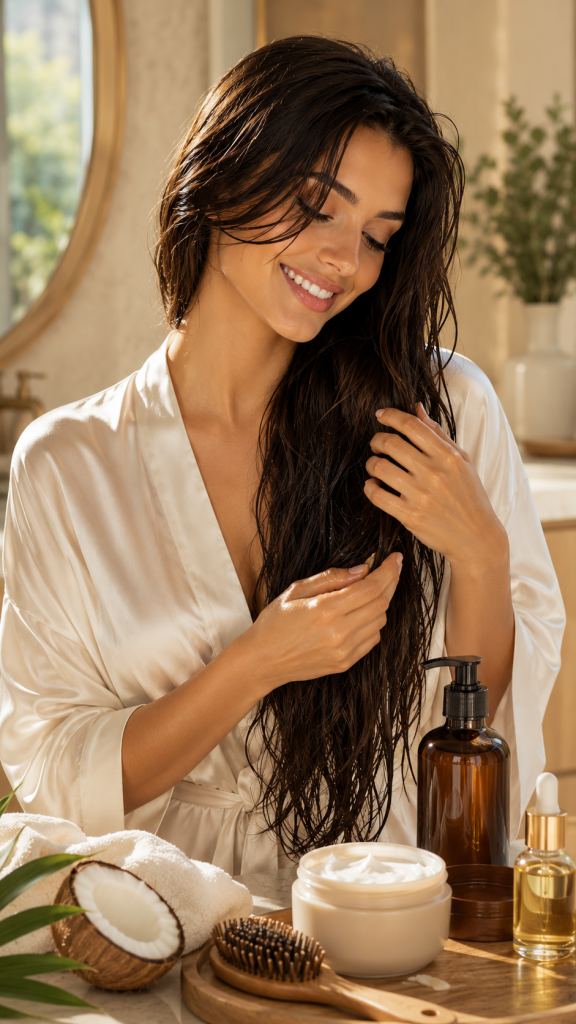
Choose a Sulfate-Free Gentle Shampoo
Traditional shampoos containing harsh sulfates may remove natural oils that protect damaged strands.
Gentle cleansers remove dirt without stripping away essential moisture, allowing hair to maintain a healthier balance between washes.
People with color-treated or chemically processed hair especially benefit from gentler cleansing formulas.
Use a Rich Repair Conditioner Every Wash
Conditioner smooths the cuticle while reducing friction between individual hairs.
Look for ingredients like:
- 🥥 Coconut oil
- 🌿 Argan oil
- 🧴 Shea butter
- 🌸 Aloe vera
- 💧 Glycerin
- 🌾 Panthenol
These ingredients help soften rough hair while improving manageability.
Apply Weekly Deep Conditioning Masks
Hair masks provide significantly more nourishment than everyday conditioners.
A quality deep conditioning treatment penetrates more deeply into damaged areas, helping reduce roughness while restoring softness.
Weekly treatments are especially valuable after:
- Hair coloring
- Bleaching
- Summer vacations
- Swimming
- Heat styling
Seal Moisture with Hair Oils
Hair oils don’t replace moisture—they help lock it inside the hair.
Lightweight oils can smooth the cuticle, reduce frizz, and add impressive shine.
Popular options include:
- Argan oil
- Jojoba oil
- Camellia oil
- Marula oil
- Sweet almond oil
Only a few drops are needed to protect mid-lengths and ends.
Important Note: Consistency matters far more than using expensive products. A simple repair routine followed every week often delivers better long-term Hair Damage Repair results than frequently switching between luxury treatments.
Best 2 Protein Based Hair Damage Repair for Stronger Hair 🥈
While moisture improves softness, protein rebuilds strength.
Hair consists primarily of keratin protein. Heat, bleaching, and chemical services gradually break down this structure, leaving strands weak and fragile.
Adding controlled protein treatments helps reinforce compromised fibers.
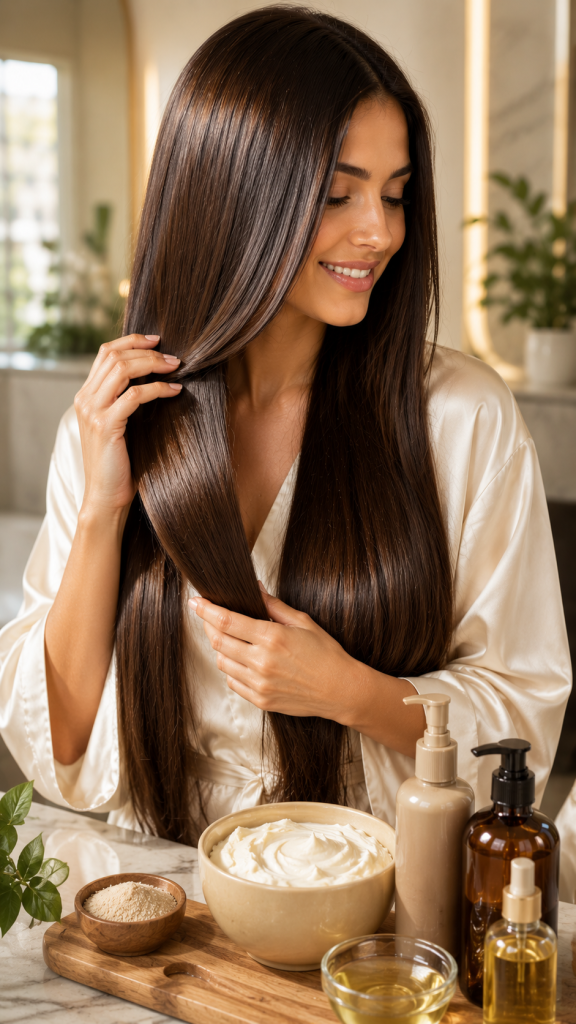
Understand the Moisture Protein Balance
Healthy hair requires both moisture and protein.
Too much moisture without protein may leave hair limp and stretchy.
Too much protein without moisture can make hair stiff and brittle.
Learning to balance these two elements is one of the biggest secrets professionals use for successful Hair Damage Repair.
Try Keratin Treatments Carefully
Keratin treatments temporarily coat weakened areas of the hair shaft.
Benefits often include:
- Less frizz
- Increased shine
- Easier styling
- Improved smoothness
- Reduced breakage appearance
However, choose formaldehyde-free professional options whenever possible.
Use Protein Masks Monthly
Protein masks containing hydrolyzed proteins can temporarily reinforce damaged strands.
Helpful ingredients include:
- Hydrolyzed keratin
- Silk protein
- Rice protein
- Wheat protein
- Collagen peptides
Most damaged hair benefits from monthly protein treatments, while heavily bleached hair may need them slightly more often.
Trim Damaged Ends Regularly
No repair product permanently seals split ends.
Regular trimming prevents splits from traveling farther up the hair shaft.
Even removing only a small amount every few months keeps hair looking healthier while supporting future growth.
Best 3 Lifestyle Changes That Maximize Hair Damage Repair 🥉
Hair care products alone cannot overcome daily habits that continuously create damage.
Long-lasting improvements require changing the way you treat your hair every day.
Small lifestyle adjustments often produce surprisingly dramatic improvements.
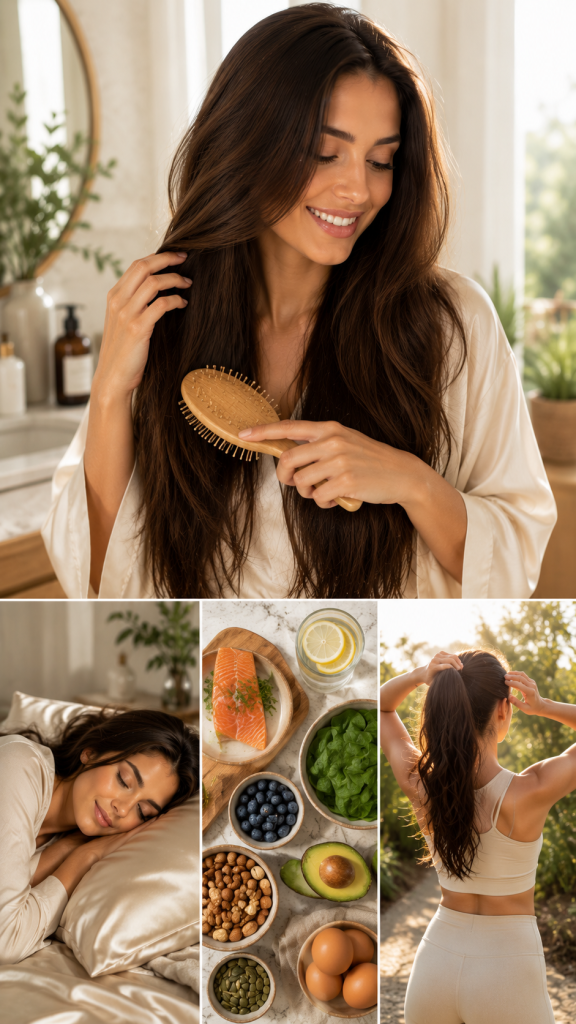
Reduce Heat Styling
Heat is one of the leading causes of chronic hair damage.
Try limiting:
- Flat irons
- Curling wands
- Blow dryers on high heat
Whenever heat styling is necessary:
- Always use heat protectant.
- Choose lower temperature settings.
- Avoid repeatedly passing tools over the same section.
Sleep on Silk or Satin Pillowcases
Cotton pillowcases create friction throughout the night.
Silk and satin reduce:
- Frizz
- Breakage
- Tangles
- Moisture loss
This simple upgrade benefits every hair type.
Eat Nutrient Rich Foods
Healthy hair begins internally.
Your diet should regularly include:
🥚 Eggs for protein
🐟 Salmon for omega-3 fatty acids
🥬 Spinach for iron
🥜 Nuts for vitamin E
🥑 Avocados for healthy fats
🫐 Berries for antioxidants
Proper nutrition supports stronger hair growth over time.
Protect Hair From Sun and Pollution
UV radiation gradually weakens proteins within the hair shaft.
Environmental pollution can also leave buildup that contributes to dullness.
Protect hair by:
- Wearing hats
- Using UV-protective sprays
- Rinsing after swimming
- Washing away pollution gently
Hair Damage Repair Mistakes to Avoid ❌
Many people accidentally slow their own progress.
Avoid these common mistakes:
| Mistake | Better Alternative |
|---|---|
| Washing daily | Wash according to hair type |
| Skipping conditioner | Condition every wash |
| Brushing wet hair aggressively | Use a wide-tooth comb |
| High heat every day | Air dry when possible |
| Ignoring split ends | Trim regularly |
| Overusing protein | Maintain moisture balance |
| Tight ponytails | Choose loose protective styles |
| Constant bleaching | Space chemical services farther apart |
Small corrections often create major long-term improvements.
Weekly Hair Damage Repair Schedule 📅
Following a structured schedule helps maintain consistent progress.
| Day | Hair Care Focus |
|---|---|
| Monday | Gentle shampoo + conditioner |
| Tuesday | Hair oil on ends |
| Wednesday | Leave-in conditioner |
| Thursday | Rest day with protective hairstyle |
| Friday | Gentle cleansing + conditioner |
| Saturday | Deep conditioning mask |
| Sunday | Scalp massage + lightweight serum |
This balanced routine supports hydration without overwhelming the hair.
How Long Does Hair Damage Repair Take
Many people expect overnight transformation, but real improvement happens gradually.
Typical timelines include:
- 1–2 weeks: Hair feels softer and smoother.
- 3–4 weeks: Frizz begins to decrease, and hair becomes easier to manage.
- 6–8 weeks: Reduced breakage and improved shine become noticeable.
- 3–6 months: Significant overall improvement with healthier-looking lengths.
Because hair grows slowly, patience and consistency are essential for lasting results.
Choosing Products Based on Your Hair Type
Different hair types respond best to slightly different repair strategies.
| Hair Type | Recommended Repair Focus |
|---|---|
| Fine hair | Lightweight hydration and occasional protein |
| Thick hair | Rich moisture masks and nourishing oils |
| Curly hair | Intense hydration and leave-in conditioners |
| Coily hair | Deep conditioning and protective styling |
| Color-treated hair | Color-safe shampoos and UV protection |
| Bleached hair | Moisture-protein balance with regular trims |
Customizing your routine leads to better long-term success than following generic advice.
Final Thoughts on Hair Damage Repair 🌟
Achieving healthier hair isn’t about finding one miracle product—it’s about combining smart habits, nourishing treatments, and realistic expectations. The Best 3 Hair Damage Repair strategies outlined in this guide focus on hydration, protein balance, and protective daily practices that work together to restore softness, shine, and strength over time.
Whether your hair has been affected by frequent heat styling, coloring, bleaching, or environmental stress, steady care can make a remarkable difference. Prioritize deep moisture, strengthen weakened strands with appropriate protein treatments, and reduce future damage through gentle styling and healthy lifestyle choices. With patience and consistency, your hair can gradually become smoother, stronger, and far more resilient, allowing its natural beauty to shine every day.