Blush Colors and Shades can completely transform the appearance of makeup, bringing warmth, freshness, dimension, and effortless elegance to the face with just a few carefully blended touches. From delicate peach and romantic dusty rose to sophisticated terracotta, rich berry, and luxurious mauve, finding the perfect blush color is one of the simplest ways to create a beautiful complexion without relying on complicated makeup techniques.
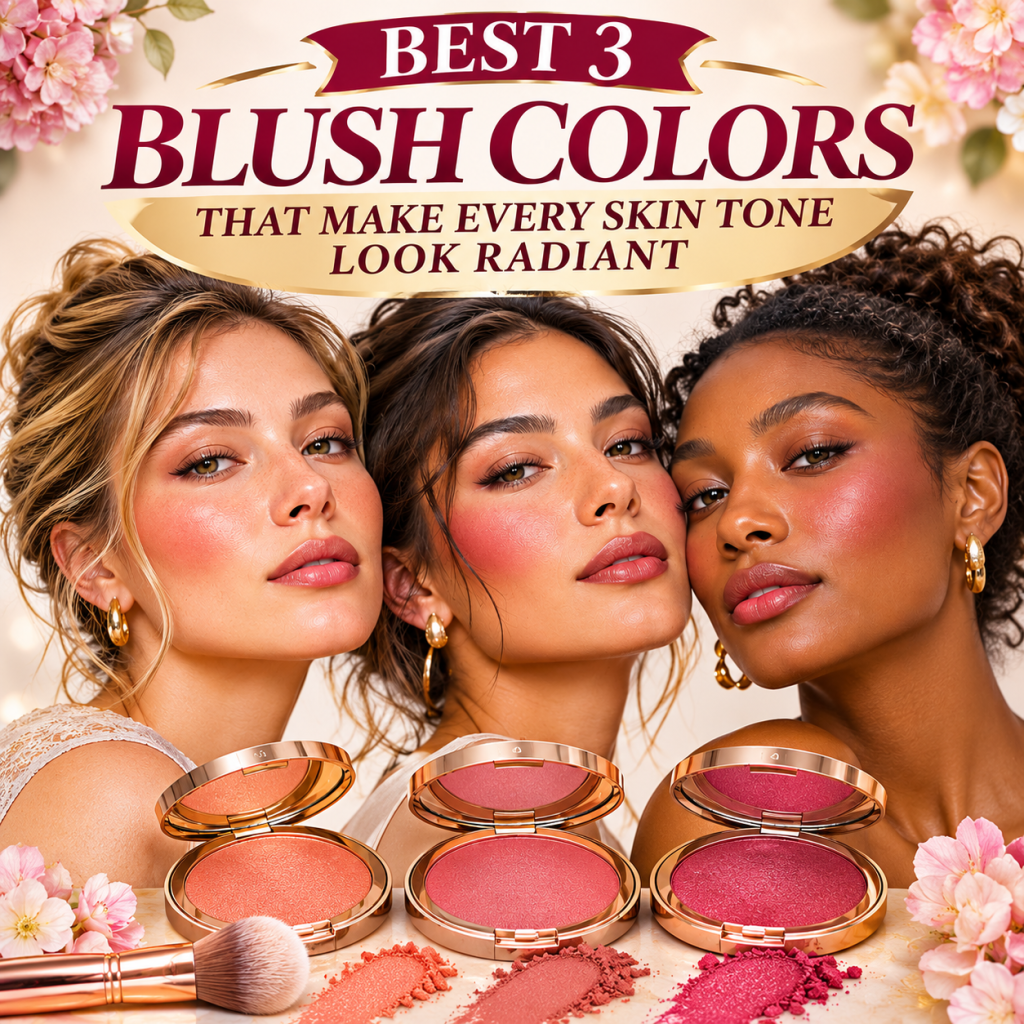
The secret to gorgeous blush is not necessarily choosing the most popular pink or the brightest coral. Instead, it involves understanding how different colors interact with natural skin undertones, complexion depth, lighting, and makeup finishes. A flattering blush can make the cheeks appear naturally vibrant, while an unsuitable shade or overly heavy application may create a noticeable contrast that feels disconnected from the rest of the makeup.
The most exciting part is that blush offers endless opportunities for personal expression. Soft watercolor-inspired cheeks create romantic everyday beauty, warm earthy pigments deliver sophisticated elegance, and vibrant berry tones introduce a dramatic editorial finish.
Whether the goal is an understated daytime glow, a luxurious evening look, or a fresh beauty aesthetic worthy of a Pinterest inspiration board, the right blush shade can become the defining feature of an entire makeup routine.
These Best 3 Blush Colors and Shades explore three distinctive color families, each offering a different approach to enhancing natural beauty through carefully selected pigments, harmonious undertones, refined finishes, and professional-looking application techniques.
Instead of treating blush as a finishing touch, these ideas celebrate it as the centerpiece of modern complexion makeup.
Why Blush Colors and Shades Can Transform Your Entire Makeup Look 🌸
Blush has a unique ability to change how the complexion appears without dramatically altering facial features.
While foundation helps even out visible skin tone and concealer addresses selected areas, blush restores color variation and creates visual dimension. A beautiful flush can make a carefully perfected complexion appear more natural, preventing the flat appearance that sometimes accompanies full-coverage makeup.
Color also influences the overall character of a makeup look.
A soft peach blush introduces warmth and freshness. Dusty rose creates a romantic, sophisticated impression. Terracotta delivers an earthy, sun-kissed effect, while berry shades bring richness and elegant contrast.
Even subtle variations within the same color family can create noticeably different results.
A pale baby pink might produce an ethereal appearance on lighter complexions, whereas a deeper raspberry pink may give similar brightness and definition to deeper skin tones.
Texture introduces another important dimension.
Cream blush often creates a soft, skin-like finish, while powder formulas can offer controlled application and a polished appearance. Liquid blush may produce a sheer, luminous wash of color, although highly pigmented versions require careful blending.
✨ The most beautiful blush combines the right color, suitable intensity, complementary texture, and thoughtful placement.
When these elements work together, blush can enhance the complexion without making the makeup appear excessive.
Understanding Blush Colors and Shades Before Choosing Your Favorite 🎨
Before exploring the three featured blush looks, understanding the relationship between color and complexion can make shade selection easier.
Blush colors are commonly described through three characteristics: undertone, depth, and saturation.
Undertone refers to the subtle warm, cool, or neutral qualities within a color. Depth describes how light or dark the shade appears, while saturation determines whether the pigment looks muted and gentle or vibrant and intense.
A peach blush, for example, may be pale and milky, softly muted, or richly saturated with orange undertones.
Similarly, rose blush can range from light pink-beige to deep rosewood, cool mauve, or warm reddish brown.
Understanding these distinctions prevents the common mistake of assuming that every shade within one color family looks identical.
Warm Cool and Neutral Blush Undertones
Warm blush colors often contain peach, coral, orange, apricot, cinnamon, or golden-brown influences.
These shades can complement warm or olive undertones beautifully, especially when their saturation and depth are balanced with the complexion.
Cool blush colors typically include blue-based pink, raspberry, lavender-pink, mauve, and cool berry.
They may create particularly harmonious effects on cool undertones or add intentional contrast to warmer complexions.
Neutral blush colors sit between these categories.
Balanced rose, pink-beige, muted peach-rose, and certain rosewood shades can adapt to a wide variety of skin tones.
However, undertone recommendations are guidelines rather than strict rules. A cool pink can look stunning against warm skin when applied sheerly, while a warm terracotta may introduce beautiful contrast to a cooler complexion.
How Blush Depth Changes the Final Result
Color depth is just as important as undertone.
Very light blush shades may disappear against deeper skin, especially when the formula contains a substantial white or pastel base.
Conversely, highly saturated dark pigments can appear intense on fair skin unless applied with a light hand.
For lighter complexions, delicate peach, sheer rose, soft pink, and muted mauve can create subtle definition.
Medium skin tones often suit peach-rose, warm coral, dusty rose, terracotta, and raspberry.
Deeper complexions can look especially beautiful with vivid coral, rich rose, brick, plum, wine, and saturated berry.
The objective is not to restrict certain colors to particular skin tones, but to select a version of the color with enough depth and clarity to remain flattering.
Best 3 Blush Colors and Shades at a Glance
| Blush Color Family | Signature Shades | Overall Appearance | Ideal Makeup Mood | Suggested Finish |
|---|---|---|---|---|
| 🥇 Soft Peach and Apricot | Apricot nude, peach rose, muted coral | Fresh, luminous, naturally warm | Everyday elegance and romantic minimalism | Satin cream or sheer liquid |
| 🥈 Dusty Rose and Terracotta | Rosewood, cinnamon rose, soft terracotta | Sophisticated, sculpted, understated | Quiet luxury and polished evening makeup | Soft matte or satin |
| 🥉 Berry and Mauve | Raspberry, plum rose, muted orchid, blackberry | Romantic, dimensional, striking | Editorial beauty and elegant statement makeup | Sheer luminous or velvety satin |
Each family offers a distinct visual experience.
The first emphasizes freshness, the second introduces sophisticated warmth and definition, and the third explores cooler, richer color with an expressive finish.
The most flattering option depends on the desired effect, skin coloring, and personal preference rather than a universal ranking of individual shades.
🥇 Best 1 Blush Colors and Shades With Soft Peach Apricot Glow and Effortless Fresh Faced Elegance
Soft peach and apricot blush colors create an exceptionally fresh complexion with a delicate warmth that feels natural, luminous, and timeless.
This color family is especially appealing for anyone who loves refined makeup that enhances facial features without introducing harsh contrasts.
Imagine a complexion with softly glowing cheekbones, barely visible color transitions, natural skin texture, and a beautiful peach flush that appears to come from within the skin.
The overall impression is youthful in styling, elegant, and remarkably versatile.
Peach blush also offers an alternative to traditional pink makeup. Its subtle orange and golden influences introduce warmth, while a carefully balanced pink undertone prevents the finished result from appearing overly orange.
For everyday beauty, few color families offer such an appealing combination of softness and sophistication.
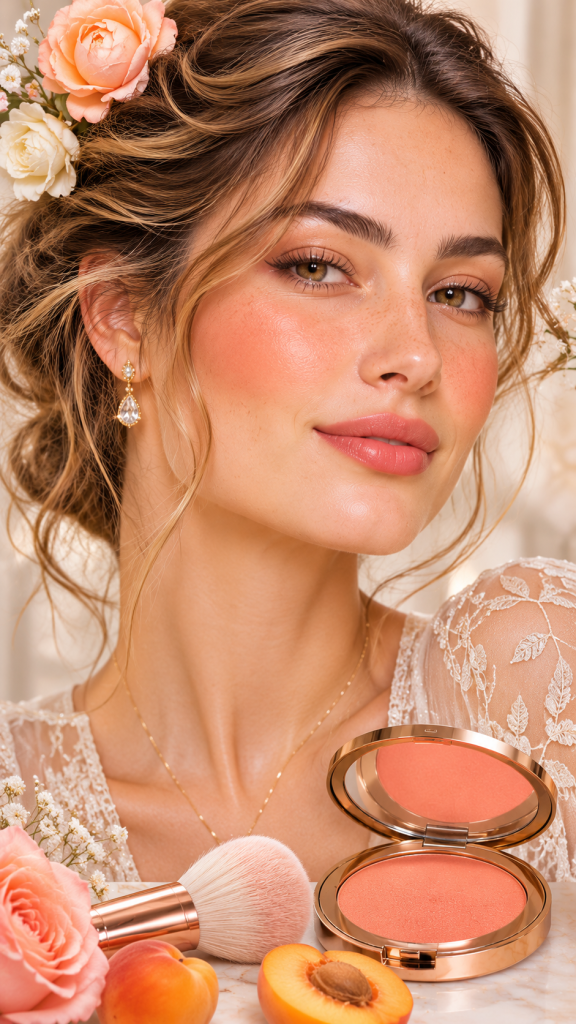
Discover the Most Beautiful Soft Peach Blush Shades 🍑
Peach is not a single standardized shade.
It encompasses an extensive spectrum of colors, each capable of creating a slightly different makeup effect.
Apricot nude combines delicate orange warmth with muted beige undertones. The resulting color can resemble a subtle natural flush, making it especially attractive for minimal makeup.
Peach rose introduces more pink into the mixture. This creates a romantic appearance that balances freshness with gentle femininity.
Soft coral contains greater saturation and can produce a brighter, more energetic complexion.
Warm melon brings a lively pink-orange character that feels playful without necessarily becoming dramatic.
Caramel peach incorporates brown undertones, creating a deeper and more grounded interpretation of the classic peach blush.
For a luxurious everyday look, muted peach-rose and apricot nude are particularly versatile choices.
Their delicate pigmentation can complement natural-looking foundation, neutral lip color, and softly defined eyes.
Create a Soft Peach Watercolor Cheek Effect
One of the most beautiful ways to wear peach blush is through a watercolor-inspired technique.
Instead of creating an obvious concentrated patch of pigment, the blush is diffused into the complexion until the color gradually disappears at the edges.
Begin with moisturized skin and a lightweight complexion product.
Choose a cream or liquid blush in a peach shade that complements the natural skin tone.
Apply a small amount to the upper cheek area, leaving enough room to blend without moving the product too close to the lower eyelid.
Using fingertips, a soft brush, or a damp makeup sponge, blend the color outward with gentle tapping motions.
Avoid aggressive rubbing, which may disturb foundation and produce uneven coverage.
The aim is to create a seamless transition between the natural complexion and the blush color.
For added luminosity, choose a satin formula that reflects light subtly rather than relying on visible glitter.
✨ The finished result should resemble a delicate flush softened by natural daylight.
Pair Peach Blush With Elegant Neutral Makeup
Soft peach blush looks particularly sophisticated when the remaining makeup follows a controlled color palette.
Creamy beige, warm taupe, soft caramel, and gentle champagne tones can complement the warmth of the cheeks without competing for attention.
A light brown eyeliner creates subtle definition around the eyes, while carefully separated lashes keep the overall appearance polished.
For the lips, consider peach nude, warm pink-beige, caramel rose, or a sheer apricot-tinted balm.
Matching the lip color exactly to the blush is unnecessary.
Instead, select complementary shades that share a similar level of warmth.
For example, apricot cheeks combined with rose-beige lips create a balanced appearance that feels carefully coordinated without looking overly uniform.
The result is ideal for daytime gatherings, casual photography, relaxed celebrations, professional settings, and everyday beauty routines.
Make Peach Blush Look Beautiful Across Different Skin Tones
The versatility of peach blush depends largely on selecting the right depth.
On fair skin, pale apricot and sheer peach-pink can produce a delicate glow.
For light-to-medium complexions, peach rose and soft coral may provide enough color to remain visible without overpowering the face.
Medium and tan skin often benefit from warmer coral, saturated apricot, and caramel peach.
On deep skin, richer tangerine-peach, vibrant coral, or warm reddish apricot may create a more vivid and flattering finish than very pale peach formulas.
A highly pigmented blush can always be softened through careful application.
However, a chalky pastel formula may be more difficult to adapt to deeper complexions because its pale base can create an unwanted gray or ashy appearance.
Selecting clear, suitably saturated pigments usually produces a more harmonious result.
When Soft Peach Blush Looks Its Best
Soft peach is particularly attractive when a fresh, naturally radiant complexion is the main objective.
Its warmth complements relaxed daytime styling, light-colored clothing, delicate gold jewelry, and softly textured hairstyles.
It also works beautifully with minimal foundation because the peach pigment introduces a hint of warmth without requiring extensive sculpting.
For a more polished occasion, layer a sheer peach cream blush beneath a finely milled powder blush in a closely related shade.
Use only a small amount of powder to avoid covering the underlying luminous finish.
The final effect combines soft color, delicate dimension, and a beautifully refined complexion.
🥈 Best 2 Blush Colors and Shades With Dusty Rose Terracotta and Sophisticated Quiet Luxury Beauty
Dusty rose and terracotta represent a more sophisticated interpretation of blush.
Unlike delicate peach shades that emphasize freshness, these colors introduce muted richness, subtle structure, and an elegant warmth that feels especially appropriate for polished makeup.
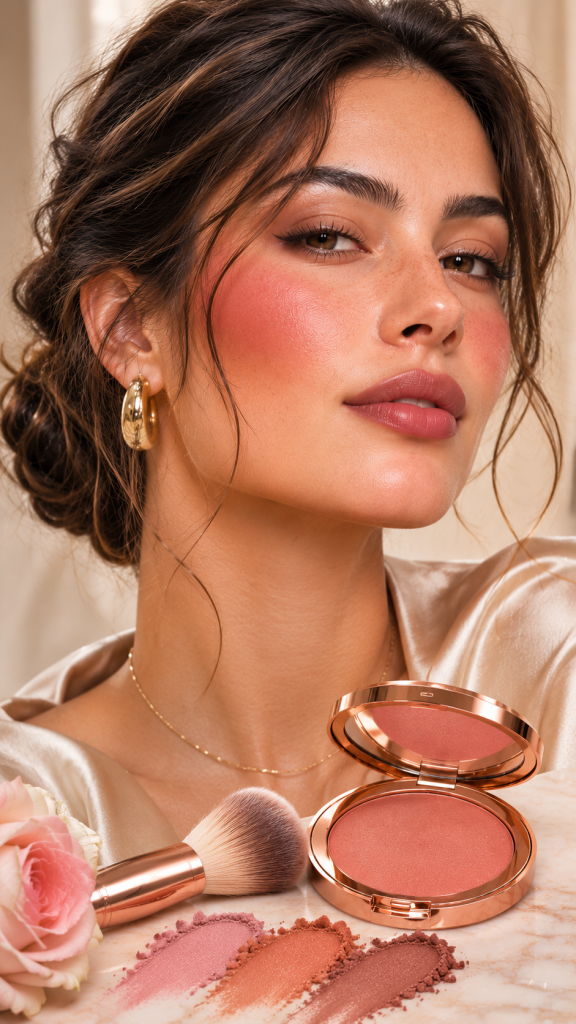
Imagine a luxurious complexion with a soft satin finish, carefully blended rose-brown cheeks, refined natural shadows, and an understated glow.
The beauty of this approach comes from restraint.
Instead of creating dramatic stripes of contour or highly reflective cheekbones, the blush gently enhances the natural facial structure through carefully positioned color.
Rosewood, cinnamon rose, and terracotta offer an exceptional combination of warmth, depth, and timeless elegance.
Their earthy character makes them particularly suitable for anyone who prefers makeup that feels sophisticated rather than overly sweet.
Explore Dusty Rose and Terracotta Blush Color Variations 🌹
Dusty rose contains muted pink pigments softened by gray, beige, or brown influences.
Its subdued quality makes it an excellent choice for refined everyday makeup.
Rosewood combines pink and brown undertones, creating a natural-looking rosy depth.
Cinnamon rose introduces a warmer reddish-brown influence that can enhance the complexion with subtle richness.
Terracotta incorporates earthy orange-red and brown characteristics, reminiscent of sun-warmed clay.
Muted brick rose offers deeper red-brown pigmentation and may create beautiful definition on medium to deep complexions.
Soft mocha rose combines delicate pink influences with neutral brown, producing an understated, sculpted appearance.
Although these shades belong to a related color family, their undertones can differ considerably.
Dusty rose may lean neutral or cool, while terracotta is generally warmer.
Choosing between them allows the same overall aesthetic to be adapted to different complexions.
Use the Sculpted Blush Technique for Refined Cheek Definition
The most distinctive feature of this second blush look is its carefully structured placement.
Rather than applying blush mainly to the center of the cheeks, position the color slightly higher and blend it toward the outer cheek.
Start with a small amount of rosewood or terracotta blush.
Place the product along the upper outer cheek area, avoiding excessively low application that may visually pull the color downward.
Blend toward the temples using soft upward motions.
Keep the strongest concentration of color near the outer cheek while allowing the edges to fade naturally.
This creates a gentle sculpted effect without relying on heavy contouring.
For added softness, blend any remaining pigment toward the center of the cheek, ensuring that the transition remains smooth.
Facial proportions vary, so placement should be adjusted according to cheekbone position, face shape, and the desired result.
Some faces benefit from slightly more central color, while others suit a lifted outer-cheek application.
The objective is enhancement rather than forcing every face into one standardized makeup technique.
Create a Luxurious Rosewood Makeup Combination
Rosewood blush pairs beautifully with understated makeup.
For the eyes, choose soft taupe, cocoa, warm beige, or muted bronze.
These shades create gentle definition while allowing the complexion to remain the focal point.
Brows should appear softly structured rather than excessively drawn.
A natural brow gel can help maintain definition without creating an overly dramatic finish.
For the lips, consider rose-brown, caramel nude, cinnamon pink, or neutral mauve.
A satin lipstick often complements the refined appearance of rosewood blush particularly well.
Excessively glossy lips are not necessary, although a subtle shine can add a modern finish.
The overall makeup should feel harmonious, with each element supporting the others.
🤎 This is the beauty of quiet luxury makeup: careful color selection creates sophistication without requiring excessive product.
Add Terracotta Warmth Without Making Makeup Look Orange
Terracotta blush can be stunning, but its orange-red influence requires thoughtful application.
The key is selecting a terracotta that contains enough red, rose, or brown to harmonize with the complexion.
Very bright orange-based formulas may create a stronger statement than expected, particularly when applied heavily.
For a softer result, choose muted terracotta with rose-brown undertones.
Apply the blush gradually, beginning with a thin layer.
Blend carefully before adding more pigment.
If the blush appears too orange, gently soften it with a clean sponge carrying a small amount of the existing complexion product.
Avoid immediately covering the entire area with heavy powder, which may create a dull finish.
For cooler undertones, a rose-terracotta or neutral brick shade may be easier to harmonize than a strongly yellow-orange formula.
For warmer or olive undertones, cinnamon terracotta and caramel rose can create especially beautiful warmth.
The best result remains balanced, dimensional, and integrated with the natural skin color.
Choose the Right Finish for a Sophisticated Look
Finish can change how rosewood and terracotta appear on the face.
A matte powder formula creates controlled color and can support a polished makeup aesthetic.
However, a very dry or heavily powdered finish may emphasize flaky areas or certain skin textures.
A satin cream blush provides an alternative, combining softly diffused pigmentation with a natural-looking surface.
For a luminous complexion, a sheer liquid blush can create a beautiful wash of color beneath or over compatible complexion products.
The formula should also suit the skin’s needs.
On dry skin, a comfortable cream or hydrating liquid may blend more easily than a dry powder.
For oilier skin, a thin cream layer set with a small amount of powder may offer greater wear time.
Individual formulas behave differently, so testing texture and longevity is worthwhile.
Important Note: Blush color should be evaluated on the actual cheek rather than judged only from the packaging or a hand swatch. Natural skin undertones, foundation color, product transparency, and lighting can significantly influence the final appearance. Test a small amount in daylight, blend it fully, and check whether the shade enhances the complexion before applying more.
When Dusty Rose and Terracotta Blush Look Their Best
These shades are especially attractive for sophisticated everyday makeup, evening dinners, professional occasions, and elegant celebrations.
Rosewood offers versatility because it can create a polished look without appearing overly warm or excessively pink.
Terracotta adds earthy richness and can complement deeper neutral wardrobes, including camel, olive, espresso, burgundy, cream, and charcoal.
For an editorial-inspired result, keep the cheeks softly structured and avoid competing bright colors elsewhere on the face.
A refined lip color and subtle eye definition are often sufficient.
The final appearance should convey warmth, effortless confidence, and quiet sophistication.
🥉 Best 3 Blush Colors and Shades With Romantic Berry Mauve and Dreamy Editorial Dimension
Berry and mauve blush colors offer an expressive alternative to traditional peach and neutral rose.
These shades introduce depth, romantic contrast, and a beautifully artistic quality that can make even simple makeup feel distinctive.
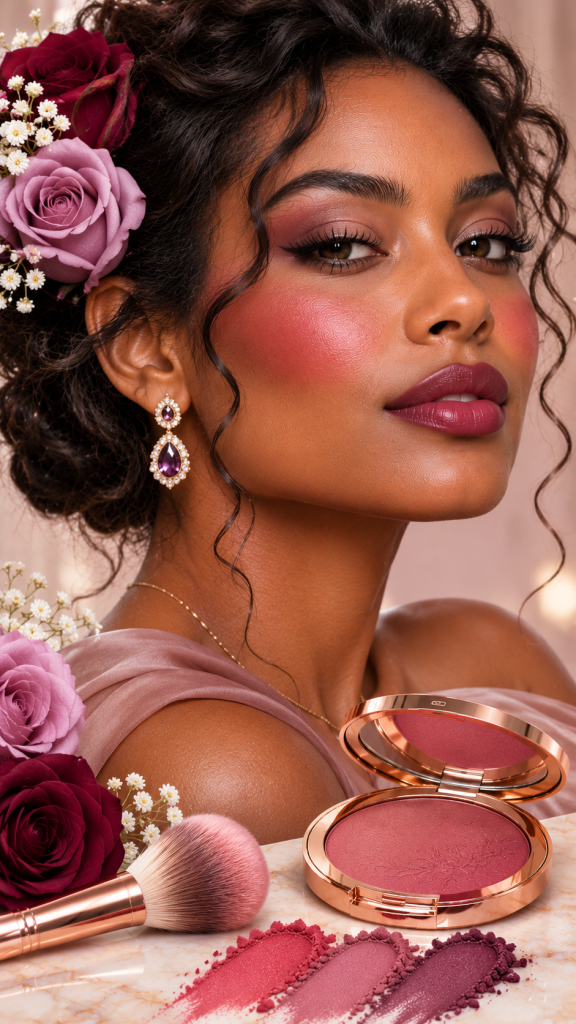
Imagine softly glowing cheeks with translucent raspberry pigment, subtle cool undertones, and a delicate gradient that resembles the natural flush of a chilly afternoon.
The result is romantic without necessarily becoming theatrical.
Berry colors can also be surprisingly versatile.
When applied lightly, they create delicate watercolor-like pigmentation. When layered more intensely, they produce a dramatic effect suitable for sophisticated evening beauty.
Mauve shades introduce a quieter interpretation of the same aesthetic.
Their muted purple-pink influences create softness, while richer berry tones offer contrast and dimension.
Together, these colors form a sophisticated palette that extends far beyond conventional pink blush.
Discover Romantic Berry and Mauve Blush Shades 🍇
The berry color family includes a wide variety of tones.
Soft raspberry combines pink with subtle red and cool influences, creating a lively but romantic appearance.
Muted mauve introduces gray-purple undertones into pink, offering an understated color that can feel especially elegant.
Plum rose creates deeper dimension through a combination of purple, rose, and reddish pigmentation.
Blackberry delivers rich purple-red intensity that can look exceptionally striking on deeper complexions.
Muted orchid offers a soft lavender-pink appearance and can produce an ethereal effect when used with appropriate depth and transparency.
Wine rose combines berry richness with a slightly earthy red influence, making it an attractive choice for sophisticated evening makeup.
The visual character of these shades depends heavily on pigmentation.
A sheer blackberry blush may appear softer on the cheeks than an opaque bright pink.
Similarly, a pale lavender blush with a white base can look quite different from a translucent orchid formula.
Opacity, rather than color name alone, often determines how wearable the finished result feels.
Create a Romantic Berry Watercolor Gradient
A beautifully blended berry gradient can become the centerpiece of a modern makeup look.
Begin with a sheer cream or liquid blush in soft raspberry, berry rose, or muted plum.
Apply a very small amount to the upper cheek, concentrating the pigment in a limited area.
Blend the edges outward using gentle tapping motions.
The goal is a gradual transition from stronger color to almost invisible pigment.
For additional dimension, introduce a slightly lighter rose shade around the outer edges.
This can soften the gradient and create a delicate layered appearance.
Avoid combining two highly pigmented formulas immediately.
Instead, build the color slowly, allowing each layer to settle before deciding whether more intensity is necessary.
A clean sponge can help merge the colors into a seamless finish.
✨ The most beautiful berry blush often looks more like a transparent veil of color than a solid patch of pigment.
Make Mauve Blush Feel Soft and Luxurious
Mauve is particularly interesting because it exists between pink, purple, and muted neutral tones.
Some mauve shades lean rosy, while others contain a stronger lavender or gray influence.
On certain complexions, a muted mauve can resemble a natural cool-toned flush.
On others, especially some warm or olive complexions, gray-heavy mauve may appear dull or ashy.
The solution is to experiment with variations.
A rosy mauve with more pink can introduce warmth while preserving the sophisticated character of the color.
A berry-mauve containing greater red saturation may be particularly beautiful on medium or deep skin.
For a delicate interpretation, pair mauve blush with soft taupe eyeshadow and rose-nude lips.
Keep the complexion luminous but controlled.
Rather than adding intense highlighter across the entire cheek, allow the subtle sheen of the blush to provide dimension.
The result feels refined, understated, and beautifully modern.
Pair Rich Berry Blush With Balanced Makeup
Rich blush colors can create a striking focal point.
To maintain harmony, consider keeping the eyes and lips relatively simple.
Soft brown mascara, lightly defined brows, and neutral eyeshadow allow berry cheeks to remain prominent.
Alternatively, a coordinated berry lip can create a sophisticated monochromatic effect.
The key is balancing saturation.
If the blush is intensely pigmented, a sheer berry lip stain may provide enough color without overwhelming the face.
If the blush is subtle, a deeper plum-rose lipstick can become the statement element.
For evening makeup, rich berry blush also complements softly defined eyes in charcoal, taupe, chocolate, and muted plum.
Avoid assuming that every element needs to be dark.
Contrast between luminous skin, softly defined eyes, and carefully blended berry cheeks often creates a more sophisticated appearance than uniformly heavy makeup.
Adapt Berry Blush for Fair Medium and Deep Complexions
Berry colors can work across a broad spectrum of skin tones.
For fair complexions, sheer raspberry, light berry rose, and diluted mauve may create a delicate romantic effect.
Medium skin tones can explore richer raspberry, plum rose, saturated orchid, and muted wine.
Tan and deep complexions may look stunning with vivid berry, blackberry, rich plum, and wine-red blush.
In deeper skin tones, saturated berry pigments can create a particularly elegant sense of dimension because they remain visible without relying on a pale base.
For lighter skin, carefully controlling application intensity is important.
A highly concentrated plum blush can be difficult to soften after applying too much.
Begin with a small amount on the brush or sponge, tapping off excess product when necessary.
Additional pigment can always be layered gradually.
When Berry and Mauve Blush Look Their Best
Berry and mauve are excellent choices when the desired makeup feels romantic, artistic, or slightly more dramatic.
They can complement elegant evening clothing, sophisticated winter-inspired wardrobes, and delicate bridal guest styling.
Cooler tones may pair beautifully with silver jewelry, charcoal clothing, soft blue, lavender, and muted pink fabrics.
Rich blackberry and wine colors also work well alongside burgundy, navy, espresso, and black.
However, these are styling possibilities rather than strict color rules.
A berry blush can look equally beautiful with warm clothing when the overall makeup balances contrast intentionally.
The defining feature is the softness of the blend.
Even deep, dramatic pigments can appear sophisticated when the edges remain seamless.
How to Choose the Best Blush Colors and Shades for Your Skin Tone
Although the three featured blush families offer different aesthetics, selecting the most flattering shade requires understanding the natural complexion.
Skin tone refers to the visible depth of the skin, while undertone describes the underlying warm, cool, neutral, or olive characteristics.
These two qualities influence how blush pigment appears after application.
A coral shade that looks bright orange in its packaging may appear softer on warm skin.
A cool pink may become more vivid when contrasted with a warmer complexion.
Similarly, a rich plum may create subtle natural definition on deep skin while producing a much stronger visual contrast on very fair skin.
The following guide provides a useful starting point.
| Skin Tone | Peach and Apricot Options | Rose and Terracotta Options | Berry and Mauve Options |
|---|---|---|---|
| Fair | Soft apricot, light peach-pink | Pale rosewood, muted dusty rose | Sheer raspberry, light mauve |
| Light | Peach rose, gentle coral | Cinnamon rose, neutral rosewood | Soft berry, rosy mauve |
| Medium | Warm coral, caramel peach | Terracotta rose, rich rosewood | Raspberry, plum rose |
| Tan | Saturated apricot, vibrant coral | Brick rose, cinnamon terracotta | Rich berry, wine rose |
| Deep | Vivid coral, reddish apricot | Deep brick, warm terracotta | Blackberry, saturated plum, deep raspberry |
These combinations are recommendations for experimentation rather than limitations.
Different blush formulas can change the way a shade appears, even when the colors share similar names.
The most reliable approach is to test several options under natural lighting and observe how they interact with the complexion.
How Blush Colors and Shades Change With Different Makeup Finishes ✨
A blush shade can produce different results depending on its formulation.
For example, dusty rose in a matte powder may look sophisticated and structured, while the same shade in a luminous cream may appear softer and more romantic.
Understanding these differences helps create the desired effect.
Cream Blush for Natural Skin Like Radiance
Cream blush often provides a flexible, blendable texture that works beautifully for soft everyday makeup.
It can be applied using fingertips, brushes, or compatible makeup sponges.
The formula usually blends most easily when the underlying complexion products have not been heavily powdered.
For soft peach and delicate berry looks, cream blush can create a beautifully translucent appearance.
However, the finish depends on the specific formulation.
Some cream blushes dry down to a matte surface, while others remain luminous or slightly tacky.
Choose the texture according to the desired appearance and individual skin preferences.
Powder Blush for Controlled Pigmentation
Powder blush offers precise application and can be especially useful when working with strongly pigmented terracotta, rosewood, or berry shades.
A soft, loosely packed brush allows gradual layering.
Begin with a small amount of pigment and blend it into the skin using gentle movements.
Avoid repeatedly applying powder over areas that are already heavily set, as this can produce a textured appearance.
Finely milled formulas can create elegant diffusion, particularly when paired with compatible complexion products.
Liquid Blush for Delicate Watercolor Color
Liquid blush can create a sheer and luminous effect, making it attractive for fresh peach and romantic berry makeup.
Some formulas are highly pigmented, so a small amount may be sufficient.
Apply the product to the back of a clean hand or a makeup palette before transferring it to the face if direct application feels difficult to control.
Blend promptly, particularly with fast-setting formulas.
A thin, even layer generally appears more natural than several concentrated dots that have not been blended fully.
The Secret to Making Blush Look Beautiful in Natural Daylight ☀️
Lighting influences how makeup colors are perceived.
Warm indoor lighting may make peach and terracotta blush appear softer or more golden.
Cooler lighting can emphasize blue and purple influences within mauve and berry shades.
Strong overhead lighting may also create shadows that change the apparent placement and intensity of blush.
For this reason, natural daylight provides a useful reference when evaluating makeup.
Stand near a window with indirect daylight and examine the cheeks from a normal conversational distance.
Observe whether the color looks balanced across both sides of the face.
Check that the blush blends smoothly into the surrounding complexion rather than appearing as a distinct patch.
It is also helpful to look at the entire face.
A color that initially appears too strong when viewed close to the mirror may look balanced when considered alongside the eyes, lips, and natural facial proportions.
The aim is a cohesive makeup appearance rather than perfecting one isolated area.
Blush Placement Ideas That Complement Each Color Family
Placement changes the visual character of blush as significantly as shade selection.
A soft peach applied centrally creates a different impression from the same peach blended upward toward the temples.
Similarly, rosewood can appear gentle and romantic or structured and sophisticated depending on where the color is concentrated.
Soft Rounded Cheeks for Peach and Apricot
For a fresh, delicate effect, begin around the upper central area of the cheeks.
Blend outward to avoid creating obvious circles.
Keep the color soft and diffused.
This technique complements peach rose and apricot because their warmth enhances the appearance of a natural flush.
Lifted Outer Cheeks for Rosewood and Terracotta
For a refined sculpted effect, apply rosewood or terracotta slightly higher and farther outward.
Blend toward the temples without creating a sharp diagonal line.
This placement introduces subtle visual structure and can complement elegant evening makeup.
The intensity should remain adjustable to facial proportions.
Diffused Romantic Cheeks for Berry and Mauve
For berry and mauve, create a soft gradient with slightly more pigment near the upper cheek and less toward the edges.
A small amount can be blended inward for a romantic effect.
Avoid extending highly pigmented color too close to the under-eye area unless that placement is intentionally part of the makeup design.
A seamless blend is more important than following a rigid shape.
Common Blush Colors and Shades Mistakes That Can Ruin an Otherwise Beautiful Look 🚫
Even a flattering blush shade can produce disappointing results when applied incorrectly.
One frequent mistake is using too much product at once.
Highly pigmented blushes, especially saturated berry and terracotta formulas, can create an uneven appearance when applied directly in large quantities.
Starting with a smaller amount allows greater control.
Another common mistake involves choosing an unsuitable color depth.
Very pale blush with a substantial white base may appear chalky on deeper complexions, while extremely dark pigments may require careful blending on lighter skin.
Formula compatibility also matters.
Applying a wet liquid blush over a heavily powdered base can sometimes disturb the underlying makeup.
Similarly, repeatedly layering thick cream products may create patchiness.
Using incompatible formulas or allowing a fast-setting product to dry before blending can make application more difficult.
Excessive shimmer presents another concern.
While luminous blush can create a beautiful glow, large reflective particles may emphasize texture or produce unwanted shine in photographs.
A finely luminous or satin finish often delivers a more refined result.
Finally, avoid judging blush entirely by popular color trends.
A shade that looks beautiful in a heavily edited photograph may behave differently under natural lighting.
Experimentation and personal preference are more valuable than following a single universal beauty rule.
How to Make Your Favorite Blush Shade Last Longer
A beautiful blush should remain reasonably consistent throughout the day without requiring constant correction.
Longevity begins with appropriate skin preparation.
Use skincare products that suit the skin and allow them to settle before applying makeup.
Excessive layers of moisturizer or incompatible complexion products can sometimes contribute to movement or separation.
For a longer-lasting cream blush effect, apply a thin initial layer and allow it to settle.
If additional wear is necessary, lightly layer a compatible powder blush in a similar color.
Avoid applying large quantities of powder, which may reduce the fresh appearance of the underlying cream.
For oily skin, setting the surrounding complexion strategically may help reduce unwanted shine.
Dry skin may benefit from avoiding excessive powder and choosing comfortable, flexible formulas.
A setting spray can support makeup longevity depending on the product, but it will not automatically correct a poorly blended blush.
The most reliable approach combines thin layers, suitable formulas, thoughtful placement, and gentle blending.
How to Build a Minimal Blush Collection With Only Three Perfect Shades 💗
A beautiful makeup collection does not require dozens of nearly identical blush products.
Three thoughtfully chosen shades can provide enough variety for everyday styling, romantic occasions, and more dramatic makeup.
The first shade should be a soft everyday option.
Peach rose, muted apricot, or a balanced neutral pink can create a natural-looking complexion with minimal effort.
The second shade should introduce greater depth.
Rosewood, cinnamon rose, or muted terracotta provides sophistication and versatility for polished makeup.
The third shade can be more expressive.
Raspberry, plum rose, wine berry, or soft mauve offers a different color direction for evenings and special occasions.
This three-shade approach encourages experimentation while keeping the collection practical.
Different formulas can also provide variety without introducing excessive duplication.
For example, a cream peach blush, a satin rosewood powder, and a sheer berry liquid offer three different textures and color experiences.
A carefully selected collection can feel more luxurious and functional than a large assortment of products that rarely get used.
Frequently Asked Questions About Blush Colors and Shades
What Is the Most Universally Flattering Blush Color?
There is no single blush shade that flatters every complexion equally.
However, balanced rose, peach-rose, and certain muted pink shades offer considerable versatility because they combine warmth and coolness without becoming excessively saturated.
The ideal depth still varies according to skin tone.
A soft rose may work beautifully on lighter skin, while a deeper rosewood or saturated rose may provide a similar effect on darker complexions.
Is Peach or Pink Blush Better for Everyday Makeup?
Both can work beautifully.
Peach introduces warmth and freshness, while pink often creates a romantic, rosy appearance.
The best choice depends on personal preference, natural coloring, and the desired makeup mood.
A peach-rose shade offers a useful middle ground for anyone who enjoys both families.
Can Cool Skin Tones Wear Terracotta Blush?
Yes.
Cool undertones do not prevent someone from wearing warm blush.
A muted rose-terracotta or soft brick shade may create especially attractive contrast.
Applying the color gradually helps maintain balance.
What Blush Color Looks Beautiful on Deep Skin?
Rich berry, blackberry, plum, brick rose, vibrant coral, and saturated terracotta can all look beautiful on deep skin.
Pigment clarity and sufficient depth are often more important than choosing one specific color family.
Sheer formulas with saturated pigment can create a natural-looking flush without appearing chalky.
Should Blush Match Lipstick Exactly?
Exact matching is unnecessary.
Coordinated color families often create a more sophisticated effect.
Peach blush can complement warm rose lips, terracotta can pair with caramel nude, and berry blush can look beautiful with muted mauve or rose-brown lipstick.
The goal is harmony rather than identical colors.
Which Blush Finish Looks the Most Natural?
A soft satin or sheer skin-like finish often creates a natural appearance.
However, matte powder and luminous liquid blush can also look beautiful when blended properly.
The best finish depends on skin type, product formulation, and the intended makeup style.
Final Thoughts on the Best 3 Blush Colors and Shades
The beauty of blush lies in its ability to transform a complexion through subtle differences in pigment, depth, texture, and placement.
🥇 Soft Peach and Apricot Glow creates a fresh, luminous appearance with delicate warmth and romantic simplicity. It is an excellent choice for effortless everyday beauty and naturally radiant makeup.
🥈 Dusty Rose and Terracotta Elegance introduces sophisticated warmth, understated structure, and timeless refinement. These shades are especially attractive for quiet luxury aesthetics and polished makeup.
🥉 Romantic Berry and Mauve Dimension brings rich color, delicate contrast, and expressive elegance. From translucent raspberry to sophisticated plum rose, this family offers endless opportunities for artistic beauty.
The perfect blush does not need to be the brightest, most expensive, or most fashionable shade.
It simply needs to complement the complexion, blend beautifully, and create the desired effect.
With the right combination of color depth, undertone, application technique, and finish, even a small touch of blush can make an entire makeup look feel more harmonious, radiant, and effortlessly luxurious.