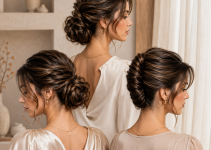
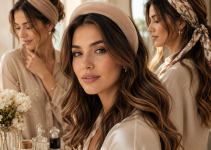
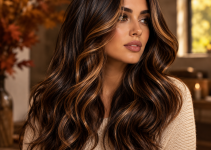
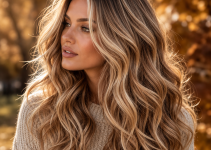
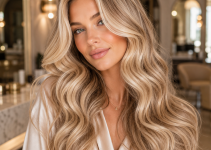
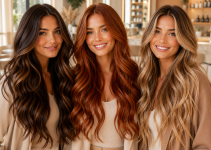
Choosing the right picture day hairstyles can completely change how polished, confident, and memorable a school photo looks. Picture day is different from an ordinary school morning because the hairstyle needs to look beautiful not only in real life but also through a camera lens. The best style should frame the face, stay neat for several hours, photograph well from the front, and still feel natural enough that the person in the photo looks like themselves.
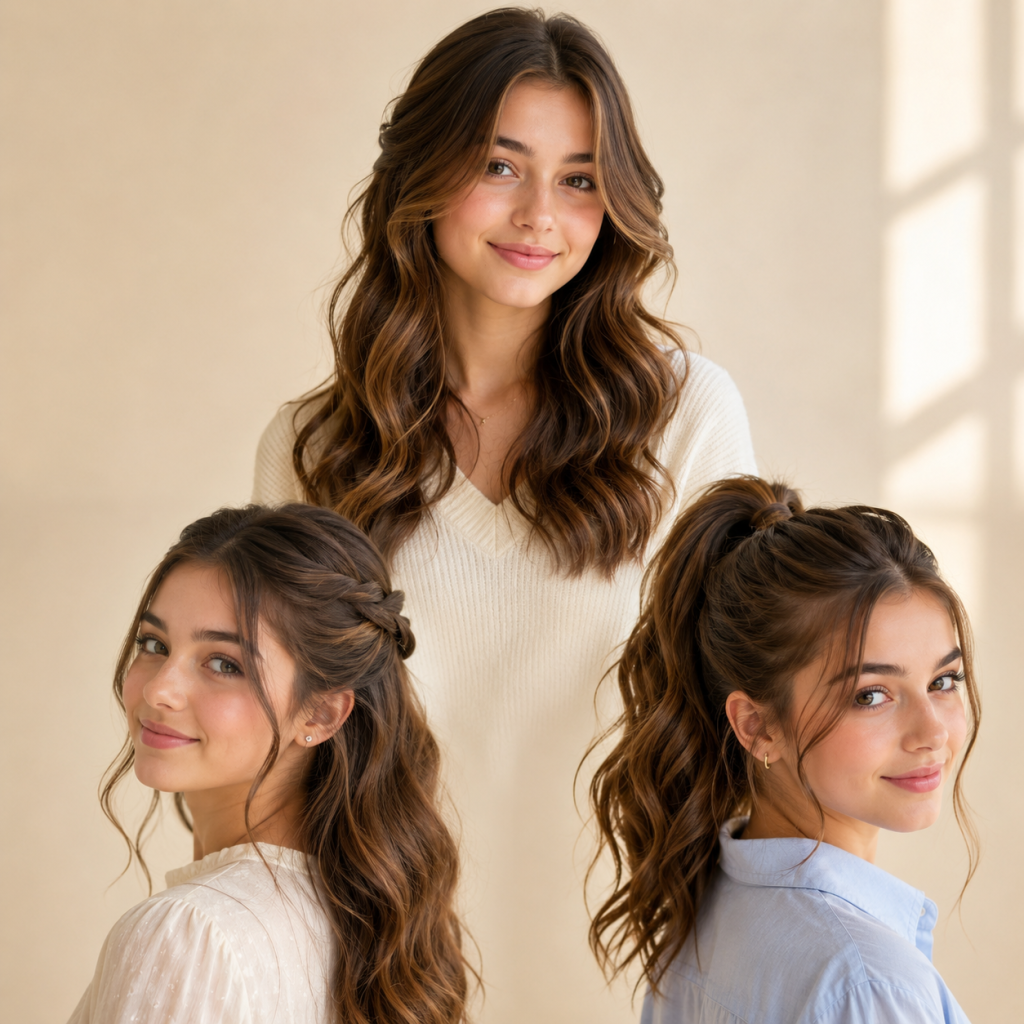
A beautiful picture day hairstyle does not necessarily need complicated braiding, dozens of hair accessories, or an elaborate salon finish. In fact, hairstyles that are too complex can sometimes distract from the face. The most successful styles usually combine clean structure with soft movement, creating a flattering balance between polished and relaxed.
For this guide, the Top 3 picture day hairstyles focus on three different moods. The first is soft and timeless, the second is polished and romantic, and the third is naturally elegant with subtle texture. Each option can be adapted for different hair lengths, textures, ages, outfits, and personal styles.
The goal is not simply to create hair that looks pretty in the mirror. It is to create a hairstyle that looks just as attractive when captured in a photograph that may be saved for years. 📸✨
What Makes Picture Day Hairstyles Look Better in Photos
Photogenic hairstyles have slightly different requirements from everyday hairstyles. A style may look beautiful while someone is moving around but appear flat, messy, or unbalanced when photographed straight from the front.
Good picture day hairstyles create visible shape around the face. Soft waves, controlled volume, face-framing pieces, polished ponytails, and carefully positioned accessories all help prevent the hair from disappearing behind the shoulders or looking completely flat against the head.
Another important factor is shine. Healthy-looking hair reflects light beautifully, especially under professional photography lighting. However, extremely glossy products or heavy oils can sometimes make the roots appear greasy. The ideal result is soft natural shine rather than a wet or overly coated finish.
The hairstyle should also complement the neckline of the outfit. High-neck sweaters, collared shirts, dresses, cardigans, and simple T-shirts can all create different visual proportions around the face.
A style worn fully down works especially well with simple outfits because the hair becomes part of the visual frame. Half-up hairstyles create more openness around the face, while ponytails and buns can highlight earrings, collars, and facial features.
The Best Picture Day Hairstyle Features at a Glance
| Hairstyle Feature | Why It Works for Photos | Best For | Styling Priority |
|---|---|---|---|
| Face-framing layers | Softens the face and creates dimension | Medium to long hair | Keep pieces controlled |
| Soft waves | Adds movement and prevents flat-looking hair | Straight or wavy hair | Use natural volume |
| Half-up structure | Keeps hair away from the face without looking severe | Most hair lengths | Maintain softness |
| Smooth roots | Creates a polished appearance | All hair types | Avoid excessive product |
| Subtle volume | Adds dimension under camera lighting | Fine or flat hair | Focus near the crown |
| Simple accessories | Adds personality without overpowering the photo | Kids teens and adults | Keep scale proportional |
| Defined curls | Creates beautiful texture and shape | Naturally curly hair | Reduce frizz without flattening curls |
The most flattering choice usually combines two or three of these elements rather than trying to include everything at once.
🥇 Best 1 Soft Face Framing Waves for Timeless Picture Day Hairstyles
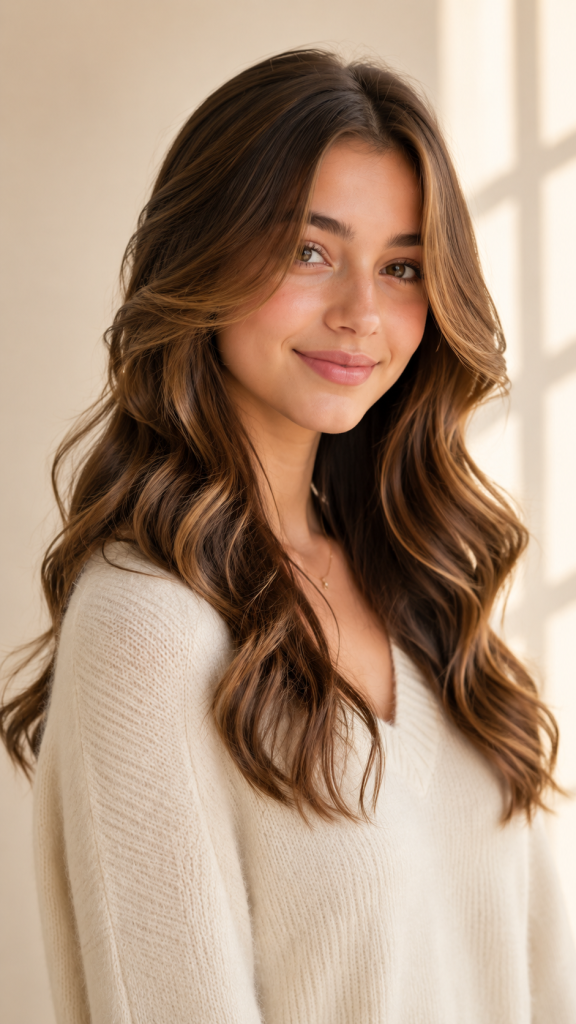
Soft face-framing waves are one of the most universally flattering picture day hairstyles because they create movement without overwhelming the face. The overall look feels polished but still natural, which makes it perfect for photographs that should remain timeless.
Instead of extremely dramatic curls, the goal is loose movement beginning around the cheekbones or jawline. These soft bends create a subtle frame around the face and help highlight the eyes, cheekbones, and smile.
The top of the hair should remain relatively smooth while the mid-lengths and ends carry most of the texture. This keeps the hairstyle looking modern rather than overly formal.
Why Soft Waves Photograph So Beautifully
Professional camera lighting can sometimes make completely straight hair appear flatter than it looks in person. Soft waves solve this problem by creating highlights and shadows throughout the hair.
Each curved section catches light differently, making the hairstyle look dimensional even in a simple portrait.
Waves also create movement around the shoulders. Instead of the hair falling in one heavy block, the strands separate naturally, giving the photograph a softer and more graceful appearance.
This is especially helpful for long hair, which can sometimes visually dominate a portrait.
Creating the Perfect Face Frame
The most important part of this style is the front section.
Rather than curling every strand in exactly the same direction, the sections near the face should gently move away from the cheeks. This opens the face and prevents the hair from covering the eyes.
Curtain bangs, long bangs, or shorter face-framing layers work beautifully with this hairstyle. Even hair without layers can create a similar effect by shaping the front pieces around the cheekbones.
For children or teenagers, the waves can remain extremely soft and natural. For older teens or adults, slightly more defined bends can create a polished editorial finish.
Soft Waves for Straight Hair
Naturally straight hair usually requires only minimal preparation.
A lightweight heat protectant can be applied before creating loose bends with a curling iron or straightener. Large sections generally produce more natural waves than very small sections.
After curling, allow the hair to cool before gently separating the waves with the fingers. Brushing too aggressively can remove the shape entirely, while leaving the curls untouched may make the result look too formal.
The ideal finish should resemble naturally beautiful movement rather than obvious ringlets.
Soft Waves for Naturally Wavy Hair
Naturally wavy hair already has much of the texture required for this style.
Instead of completely restyling the hair, focus on defining the existing pattern. A lightweight curl cream or styling mousse can enhance movement while controlling frizz.
A few sections around the face can be reshaped if necessary so the overall silhouette looks intentional.
Maintaining the natural texture usually produces a more comfortable and authentic picture day look.
Soft Waves for Fine Hair
Fine hair benefits from strategic volume rather than heavy styling products.
A small amount of volumizing mousse near the roots can create lift, while dry texturizing spray through the mid-lengths can help the waves hold.
Avoid using too much oil because fine strands can quickly appear weighed down.
For photographs, a small amount of crown volume can make a surprisingly large difference. Even lifting the hair slightly near the part can create a more flattering head shape.
Choosing the Best Part
The hair part changes the visual balance of the entire hairstyle.
A middle part creates a modern, symmetrical effect and works especially well with curtain bangs or evenly layered hair.
A soft side part creates more volume and can give the hairstyle a romantic finish.
There is no universal correct choice. The most flattering part is usually the one the person already feels comfortable wearing.
Changing the part dramatically on picture day can sometimes make the hairstyle feel unfamiliar.
Outfit Ideas for Soft Picture Day Waves
Soft waves pair beautifully with classic school-photo clothing.
A simple sweater creates a cozy timeless look, while a blouse or collared shirt makes the hairstyle feel polished. Dresses with simple necklines also work well because the flowing hair creates a natural frame around the shoulders.
Avoid extremely busy collars or oversized accessories around the neckline if the hair already has a lot of movement.
The overall image usually looks best when one element is visually dominant rather than everything competing for attention.
🥈 Best 2 Romantic Half Up Twist for Polished Picture Day Hairstyles
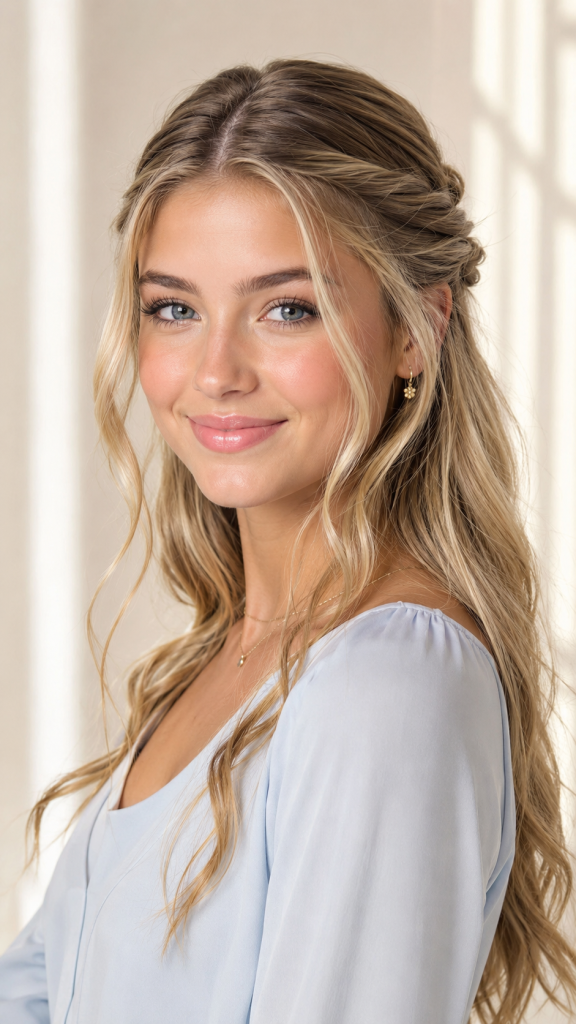
The half-up twist combines the softness of wearing the hair down with the neatness of pulling the front sections away from the face.
That combination makes it one of the most dependable picture day hairstyles, especially when the person wants their hair visible but does not want strands falling across the eyes.
The style can be extremely simple. Two small sections from the front are gently twisted backward and secured near the crown.
The remaining hair stays loose, either straight, softly curled, or naturally textured.
The result feels romantic and polished without looking overly formal.
Why Half Up Hairstyles Work So Well for Picture Day
Picture day photographs usually focus strongly on the face.
Hair that constantly falls forward can hide the eyes or create uneven shadows. A half-up hairstyle helps solve this problem by keeping the front sections controlled.
At the same time, leaving the rest of the hair down preserves softness around the shoulders.
This balance makes the style especially flattering for people who feel uncomfortable with completely pulled-back hairstyles.
The half-up shape also creates subtle height at the crown. That little bit of lift can make the hairstyle look more dimensional under studio lighting.
The Soft Twist Technique
The easiest version begins with one section near each temple.
Each section is gently twisted backward and secured at the center of the head with a small elastic, decorative clip, or several hidden bobby pins.
The twists should not be extremely tight.
Slightly loosening them afterward creates a softer shape and prevents the style from looking severe.
A few delicate face-framing strands can remain loose if desired.
The key is intentional placement. Random loose pieces can appear messy in photographs, while carefully selected strands create a romantic effect.
Adding Soft Curls to the Lengths
The lower section of the hair can remain straight, but soft curls often enhance the style.
Loose bends beginning below the ears create movement without making the hairstyle too elaborate.
The combination of twisted sections and flowing waves creates a beautifully balanced silhouette.
For formal outfits or dresses, the curls can be slightly more polished. For casual school outfits, a relaxed wave pattern usually looks more natural.
Half Up Hairstyles for Shorter Hair
Half-up styles are not limited to long hair.
A shoulder-length bob or lob can look beautiful with small twisted sections near the temples.
Instead of pulling a large amount of hair backward, use smaller sections and secure them closer to the back of the head.
Even chin-length hair may support a subtle mini half-up style depending on the haircut.
Shorter hairstyles often benefit from small accessories because they create a clear focal point without requiring a lot of hair.
Half Up Styles for Curly Hair
Naturally curly hair can look spectacular in a half-up style.
Instead of stretching or straightening the curls, allow the texture to remain visible.
Gently gather a small section from each side and secure it loosely near the crown.
This exposes more of the face while preserving the beautiful curl pattern around the shoulders.
A curl-defining cream can help create more consistent shape, while a light anti-frizz product may reduce flyaways.
The goal should be definition rather than complete control.
Natural texture often photographs beautifully because each curl creates highlights and shadows.
Hair Accessories That Work Well
Accessories can add personality to picture day hairstyles, but they should enhance rather than dominate the photograph.
Small velvet bows create a sweet classic look.
Pearl clips provide subtle elegance.
Minimal metallic barrettes create a more modern finish.
Tiny floral clips can work beautifully for younger children or spring picture days.
Avoid accessories that are extremely large, reflective, or brightly colored unless they are intentionally part of the outfit.
Because school photographs often remain visible for many years, timeless accessories usually age better visually.
Important Note: Choose a hairstyle that still feels recognizable and comfortable rather than creating a completely unfamiliar look just for the photograph. Confidence usually photographs better than perfection.
Creating Soft Crown Volume
One advantage of the half-up hairstyle is the opportunity to create subtle lift near the crown.
Before securing the twists, gently lift the top section with the fingers.
Avoid excessive teasing because it can create visible bumps.
Even a small amount of natural volume helps prevent the hairstyle from appearing flat from the front.
For very fine hair, a small amount of dry texture spray near the crown can provide additional grip.
Matching the Half Up Twist With Outfits
The romantic half-up twist pairs beautifully with dresses, sweaters, cardigans, and collared tops.
Because the hairstyle opens the area around the face, it works especially well with decorative collars or small earrings.
If the outfit includes a bow, embroidery, or another strong detail, choose a simpler hair accessory.
Creating visual balance helps the finished photograph look polished instead of busy.
🥉 Best 3 Polished High Ponytail With Soft Volume for Fresh Picture Day Style
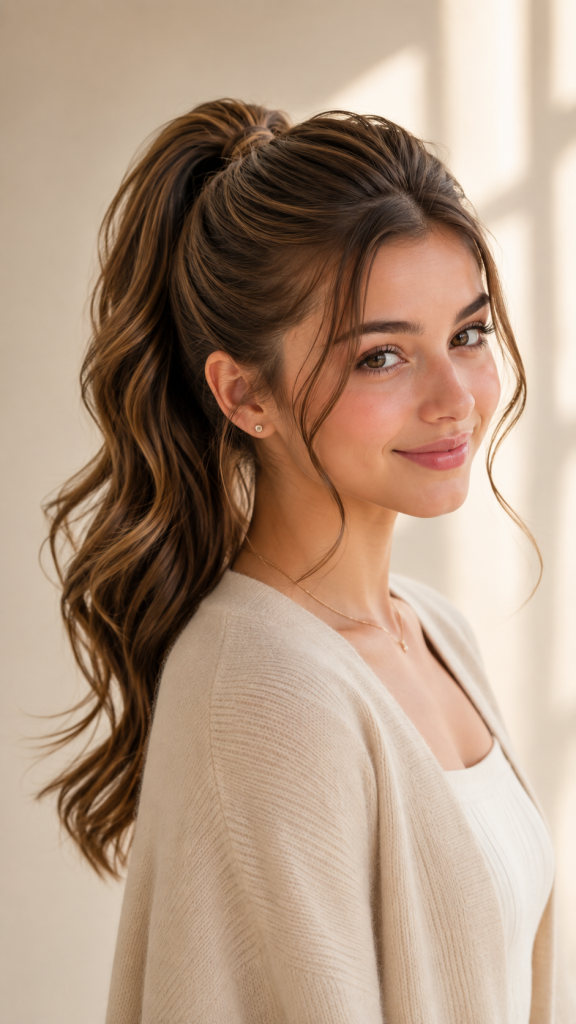
A ponytail may sound simple, but a carefully styled ponytail can become one of the most youthful and photogenic picture day hairstyles.
The key is avoiding an extremely tight athletic ponytail.
Instead, create a polished ponytail with gentle crown volume, soft movement through the length, and a few carefully placed face-framing pieces.
The result looks energetic, fresh, and confident.
This hairstyle works particularly well for people who naturally wear ponytails frequently and want their picture day look to feel authentic.
Why the Polished Ponytail Works in Photos
Pulling the hair away from the face makes facial features more visible.
The eyes, eyebrows, cheeks, and smile become the natural focus of the image.
A ponytail also prevents hair from falling unevenly across the shoulders during the photograph.
However, completely slicked-back hair can sometimes look severe.
Adding a small amount of volume near the crown and keeping the ponytail soft helps maintain balance.
Choosing the Right Ponytail Height
A medium-high ponytail is usually the most flattering option for school photos.
A very low ponytail may disappear behind the shoulders in a front-facing photograph.
An extremely high ponytail can look playful but may create too much height depending on the framing.
Positioning the ponytail slightly above the back of the head allows part of the hair to remain visible while keeping the overall shape elegant.
Adding Texture to the Ponytail
A perfectly straight ponytail can look sleek and modern, but soft texture usually photographs more dynamically.
Large waves or curls create movement through the length.
For naturally curly hair, simply defining the existing curl pattern may be enough.
Fine hair can benefit from gentle teasing inside the ponytail to create fullness.
Another technique is using two small ponytails stacked vertically and visually blending them together. This can create the illusion of a fuller, longer ponytail.
Wrapping the Hair Elastic
A simple way to make the ponytail look more polished is to hide the elastic.
Take a small strand from underneath the ponytail and wrap it around the base.
Secure the strand with a hidden bobby pin.
This small detail makes the hairstyle appear more intentional and professional without adding complicated styling.
Alternatively, a simple velvet ribbon or understated bow can cover the elastic.
Face Framing Pieces or Fully Pulled Back
Both versions can look beautiful.
Leaving two soft pieces around the face creates a relaxed romantic effect.
Pulling all the hair back creates a cleaner and more energetic appearance.
The choice should depend on the haircut and personal comfort.
If someone already has short curtain bangs or layers, allowing them to remain visible usually looks natural.
Avoid pulling out random sections after the hairstyle is complete. Deliberately choose the front strands beforehand.
Keeping Flyaways Under Control
Flyaways can become more visible under strong photography lighting.
A clean spoolie brush or small toothbrush lightly coated with hairspray can smooth short hairs near the hairline without saturating the entire hairstyle.
Another option is a tiny amount of styling cream applied with the fingertips.
Avoid coating the whole head with heavy hairspray because it can create an unnatural stiff finish.
Hair should still appear touchable and soft.
Picture Day Hairstyles for Different Hair Lengths
Hair length influences which techniques are easiest, but nearly every hairstyle can be adapted.
Short Hair
Short hair can look incredibly polished with simple styling.
A chin-length bob may only need a smooth blowout with gently curved ends.
A pixie cut can be styled with subtle texture around the crown.
Short curly hair can be defined with curl cream to create a clean silhouette.
Small barrettes, headbands, or decorative clips can add interest without requiring long sections of hair.
Medium Length Hair
Medium-length hair provides tremendous flexibility.
Soft waves, half-up twists, low ponytails, mini braids, and smooth blowouts all work beautifully.
Shoulder-length hair also creates a naturally flattering portrait frame because it remains visible without overwhelming the upper body.
Long Hair
Long hair benefits from intentional structure.
Without styling, very long hair may appear heavy or cover too much of the outfit.
Adding layers, waves, braids, or half-up sections creates dimension.
If wearing long hair completely down, consider moving some of the hair behind the shoulders so the neckline remains visible.
Picture Day Hairstyles for Different Hair Textures
Hair texture should be enhanced rather than hidden.
Straight Hair
Straight hair looks beautiful when it appears smooth, shiny, and dimensional.
Subtle bends near the ends prevent the style from looking too flat.
A volumizing product at the roots can also create better shape.
Wavy Hair
Natural waves already contain the movement that photographs well.
Focus on definition and frizz control.
Avoid brushing dry waves aggressively because this can separate the pattern.
Instead, reshape individual sections with the fingers.
Curly Hair
Curly hair creates incredible dimension in portraits.
Use products that enhance the curl shape without making the hair crunchy.
Allow enough drying time before the photograph so the curls are completely set.
A half-up style can help keep curls away from the eyes while still showing the texture.
Coily Hair
Coily textures offer many stunning picture day options including defined natural coils, puff styles, twist-outs, braid-outs, half-up puffs, elegant ponytails, and carefully accessorized protective styles.
The most important considerations are definition, moisture, and a shape that frames the face beautifully.
Rather than forcing excessive smoothness, celebrate the natural volume and structure of the hair.
How to Prepare Hair the Night Before Picture Day
Good preparation can make picture day morning significantly easier.
Wash timing depends on hair texture.
Some hair types style best freshly washed, while others become easier to manage one day after washing.
Detangle the hair thoroughly before sleeping.
If waves or curls are planned, sleeping in loose braids may provide helpful texture the next morning.
Silk or satin pillowcases can reduce friction and help minimize frizz.
Prepare accessories, hair ties, clips, heat tools, and styling products beforehand.
Removing small decisions from the morning routine reduces stress and gives more time for careful styling.
Picture Day Morning Routine
Begin earlier than a normal school morning if possible.
Rushing often creates more styling mistakes than lack of skill.
Start by assessing the natural condition of the hair.
Sometimes the hair may already look good enough that only small adjustments are necessary.
Apply products gradually.
It is always easier to add more product than remove too much.
Create the main hairstyle first, then examine it from the front.
Picture day photographs are generally front-focused, so the hairstyle needs to look balanced from that angle.
Finally, check the neckline of the outfit.
Hair trapped inside collars or sweaters can create strange shapes in photographs.
Common Picture Day Hairstyle Mistakes
Even beautiful hairstyles can photograph poorly when certain details are overlooked.
Too Much Product
Heavy gel, serum, or hairspray can make hair look greasy or stiff.
Use lightweight products whenever possible.
Extremely Tight Hairstyles
Very tight ponytails or buns may flatten the hairline and create a severe look.
Unless that sleek effect is intentional, leave a little softness.
Trying a Completely New Style
Picture day is usually not the best time for experimenting with an unfamiliar hairstyle.
A completely new look may feel uncomfortable throughout the school day.
Oversized Accessories
Large bows, dramatic headbands, or glittering clips can distract attention from the face.
Accessories should support the hairstyle rather than become the entire photograph.
Ignoring the Front View
A hairstyle may look beautiful from the back but unbalanced from the front.
Always check the style from the same perspective the camera will capture.
How to Make Picture Day Hairstyles Last Through the School Day
Durability matters because photographs may not happen first thing in the morning.
Use styling products strategically.
Texturizing spray provides grip without excessive stiffness.
Flexible hairspray helps hold waves and flyaways.
For curls, a lightweight defining product can maintain shape.
Secure hairstyles with high-quality elastics and bobby pins rather than relying on decorative clips alone.
Accessories can move throughout the day, so hidden pins underneath provide extra security.
If allowed, keep a tiny emergency kit containing a small comb, extra elastic, and several bobby pins.
A quick adjustment before the photograph can restore the hairstyle without requiring complete restyling.
Choosing Between the Top 3 Picture Day Hairstyles
The best choice depends on personality, hair texture, outfit, and styling time.
Choose Best 1 Soft Face Framing Waves for a timeless hairstyle that feels elegant, natural, and universally flattering. It works beautifully when the goal is to keep the hair down while adding visible movement.
Choose Best 2 Romantic Half Up Twist for a balanced style that keeps hair away from the face while preserving soft length around the shoulders. This is especially useful for anyone worried about strands falling across the eyes.
Choose Best 3 Polished High Ponytail With Soft Volume for a fresh, youthful, and confident look that highlights facial features.
None of these styles needs to be perfectly identical to the examples. Small adaptations often create a more personal and flattering result.
Final Thoughts on the Best Picture Day Hairstyles
The best picture day hairstyles combine comfort, personality, and camera-friendly structure. A successful school photo does not depend on creating the most complicated hairstyle. Instead, the hair should frame the face beautifully, remain comfortable throughout the day, and help the person in the photograph feel confident.
🥇 Soft Face Framing Waves offer timeless movement and elegant softness.
🥈 The Romantic Half Up Twist creates the ideal balance between polished structure and flowing hair.
🥉 The Polished High Ponytail With Soft Volume delivers a fresh and confident finish while keeping the face completely visible.
Simple details often make the greatest difference. A little crown volume, controlled face-framing pieces, healthy-looking shine, defined texture, and carefully chosen accessories can transform an everyday hairstyle into something photo-ready.
Ultimately, the most memorable picture day hairstyle is the one that still looks natural years later. Trends may change, accessories may change, and hair lengths may change, but soft movement, balanced proportions, and confident styling remain timeless. 📸✨